
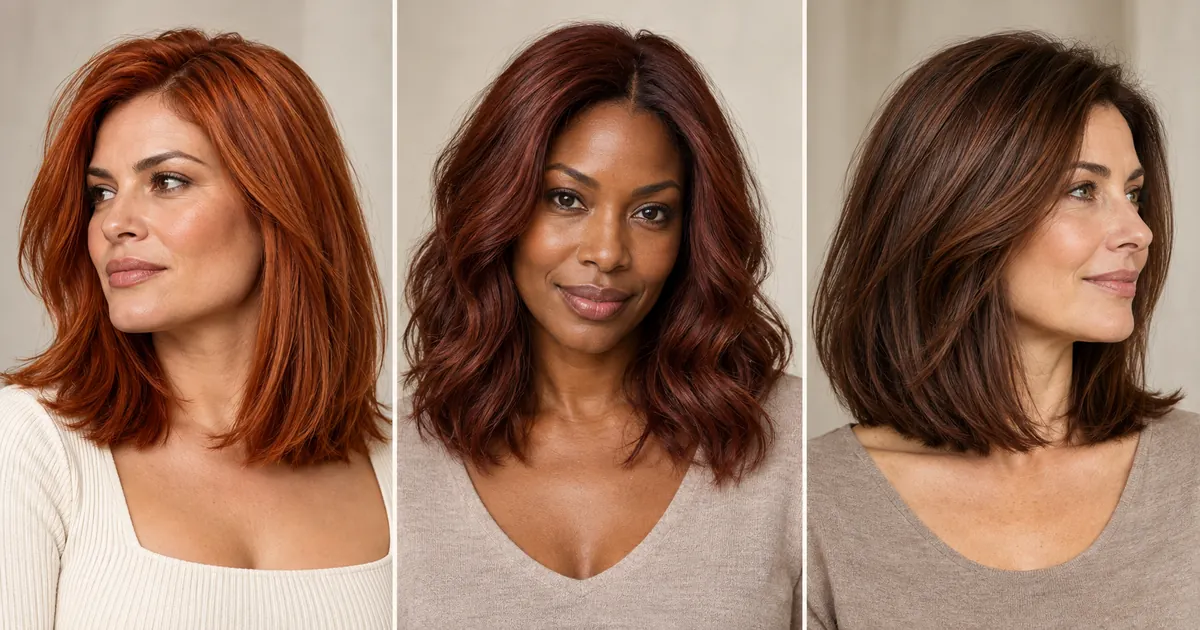
The hardest part of choosing red hair is deciding how much red you actually want. A bright copper bob, a deep auburn blend, and a warm chestnut brunette can all appear in the same inspiration search, even though they create very different looks.
Choosing fall red hair becomes easier when you separate the color family from the placement. Copper brings orange and golden warmth. Auburn mixes red with brown for a deeper finish. Chestnut stays closer to brunette, with warmth that can look subtle indoors and more noticeable beside a window.
These 21 ideas give you specific looks to compare before your next appointment. Use the descriptions to explain the brightness, depth, and placement you want. Your starting color and previous dye will help your colorist decide how to approach the result.
A quick shade comparison: Copper is generally the most orange-gold of these families, while auburn has a stronger red-brown balance. Chestnut sits closer to warm brown. Shade names overlap between salons and brands, so bring a reference photo rather than relying on the name alone. Wella Professionals US
1. Classic Copper With an Even, All Over Finish
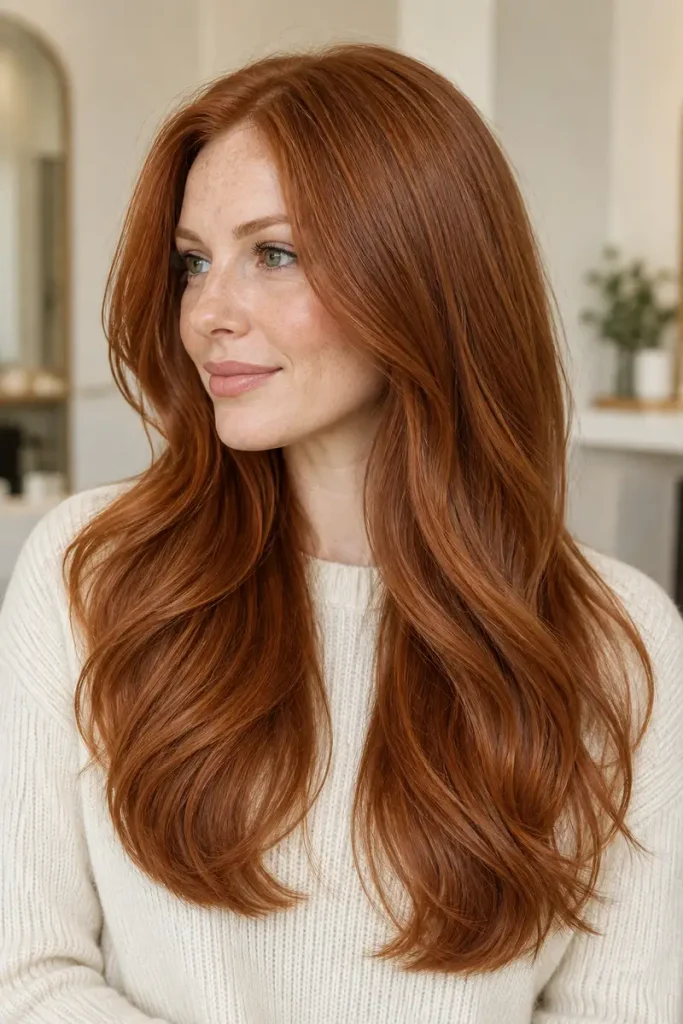
An even copper finish puts the color itself at the center of the look. There are no pale ribbons or dark panels competing with the warm orange-red shade.
Wear it with smooth lengths or loose bends so the tone looks consistent across the crown and ends. A simple side part keeps the finish uncluttered.
Ask your colorist for a medium copper with a balanced orange-red tone, using your reference photo to show the brightness you mean. Discuss both root touch-ups and length refreshes before choosing an all-over finish.
2. Golden Copper With Soft Strawberry Tones
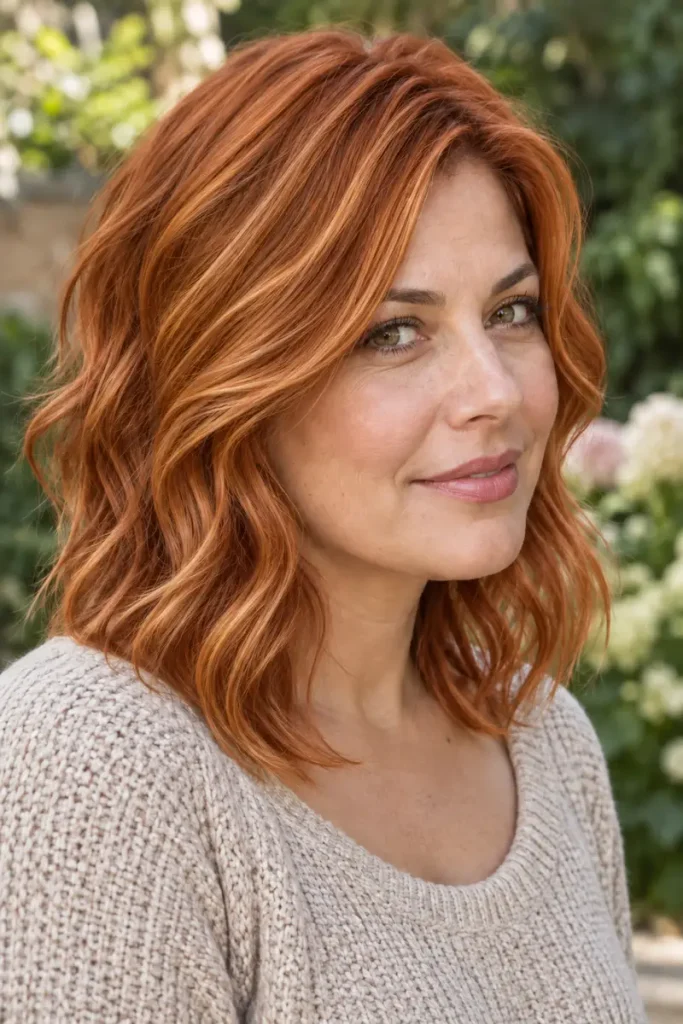
Golden copper feels lighter than a deep red-brown shade, but it should still read as copper. The strawberry tones soften the orange warmth without turning the whole look blonde.
Loose waves help the lighter pieces show through around the face and shoulders. On straight hair, keep the tonal differences fine for a more blended effect.
What to request: A copper base with gentle golden and strawberry variation. Show your colorist how much lightness you want, especially around the front, so the finished shade stays within the red family.
3. Bright Ginger Copper on a Blunt Bob
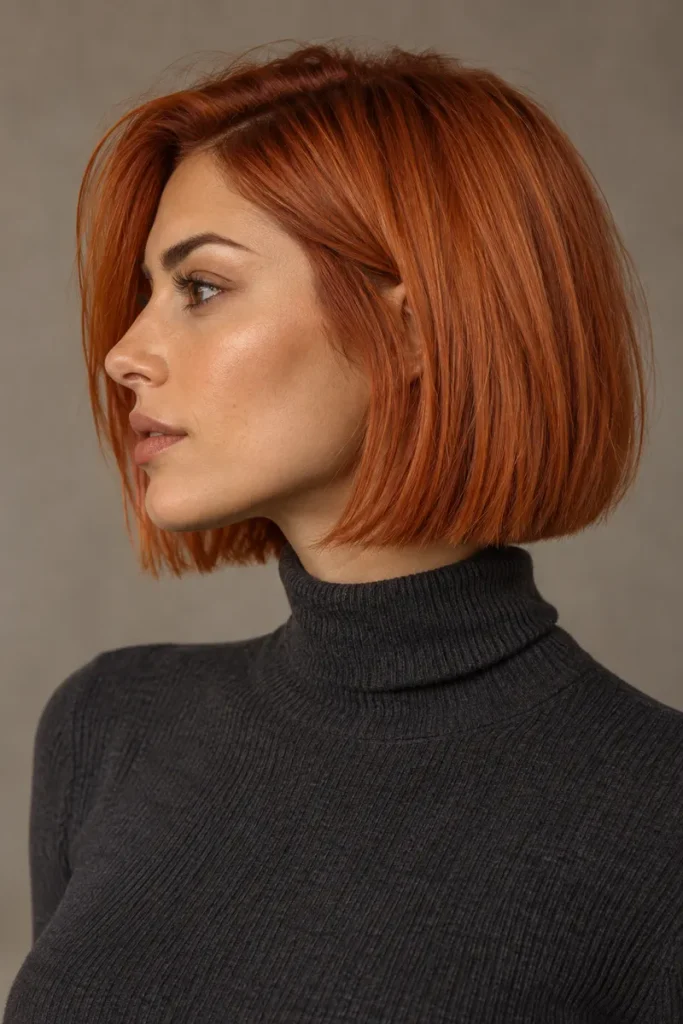
A blunt bob gives bright ginger copper a clean outline. The straight edge makes the color look deliberate, even when the styling is simple.
Choose a chin-length version for a compact shape, or take the hem slightly lower if you like tucking one side behind your ear. A smooth finish shows the saturated orange-copper tone clearly.
Keep the salon request focused on two things: the ginger shade and the bob length. Bring a separate haircut reference if your color photo has a shape you do not want.
4. Muted Copper With a Soft Brown Undertone
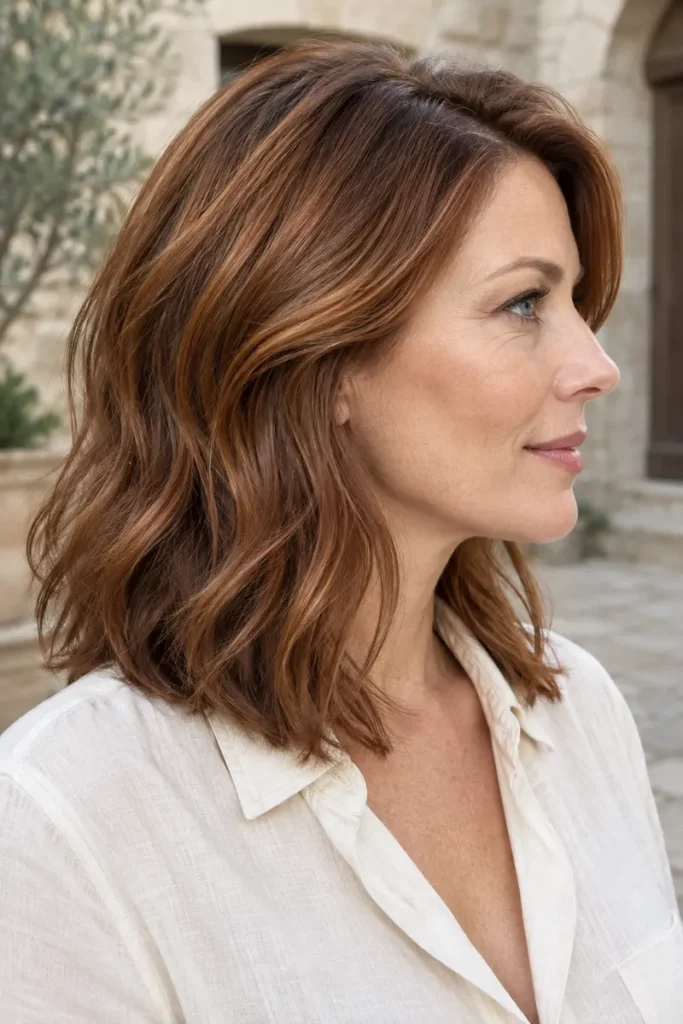
Bright orange is not the only way to wear copper. A brown undertone creates a softer version that still has visible warmth.
This look pairs well with shoulder-length layers and gentle movement. In your reference photo, look for copper across the lengths rather than a brown base with only a few red highlights.
Ask for a muted copper-brown balance and explain which side should lead. “Mostly copper, softened with brown” gives a different result from “mostly brown with a copper sheen.” That small distinction is worth making clear.
5. Copper Balayage With a Brunette Root
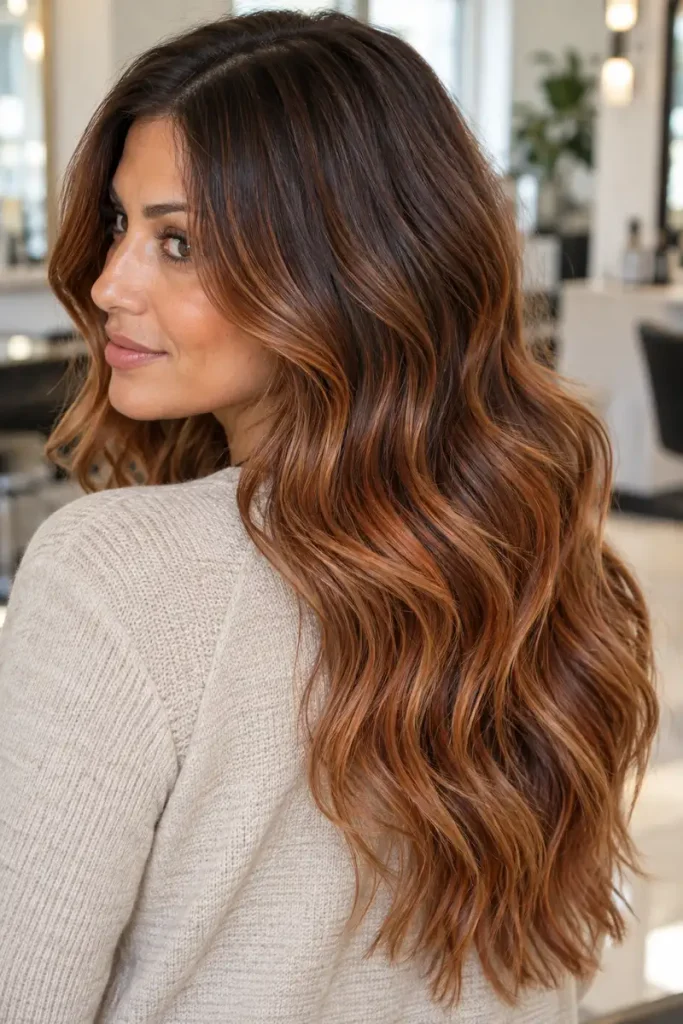
Keeping a brunette root changes the whole feel of copper hair. The warmth builds through the lengths, while the crown stays closer to brown.
Request a gradual blend, with copper starting at different points through the hair rather than forming one horizontal band. Loose waves make those painted sections easier to see.
A root close to your natural shade can make regrowth less obvious, although the copper lengths may still need refreshing. Ask your colorist to explain the upkeep for the placement and tone separately.
6. Peach Copper Highlights on a Light Base
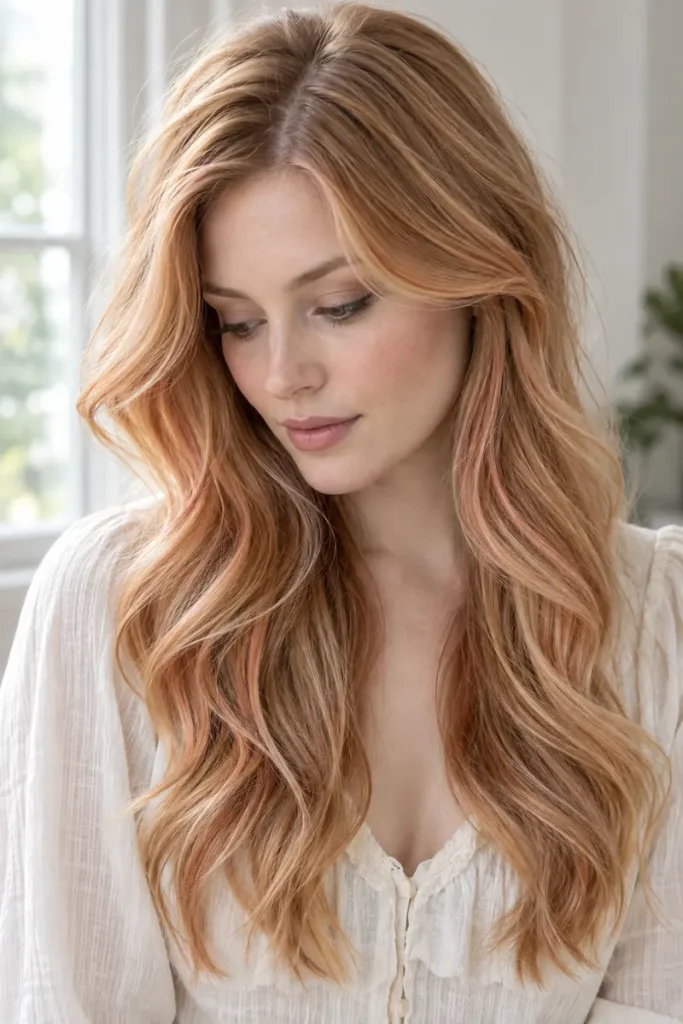
Peach copper is a softer, lighter direction than bright ginger. Fine highlights can give a light base a warm peach tint without making every strand the same color.
Keep the highlighted sections delicate, especially near the part. Loose bends or a soft half-up style help show the difference between the base and the peach pieces.
Take a reference that shows the shade in daylight. Ask your colorist whether your current base can support that light finish, and specify peach-copper rather than pink or pale blonde.
7. Burnished Copper With Darker Underlayers
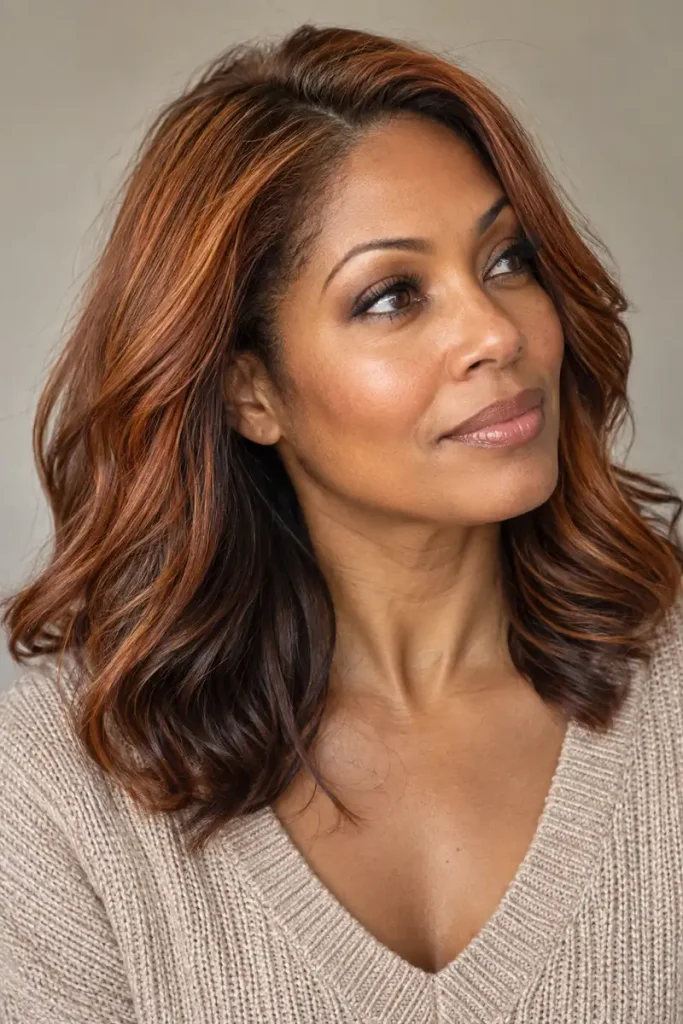
Darker underlayers give burnished copper a visible sense of depth. The upper hair carries the warm color, while brown sections show underneath as the hair moves.
A side part or loosely tucked section helps reveal the contrast. The darker hair should appear intentional rather than looking like an unfinished patch of color.
Salon detail: Show where you want the darker sections to sit. A dark nape panel creates a different effect from scattered lowlights, so discuss the placement as well as the copper shade.
8. Classic Auburn With a Balanced Red-Brown Base
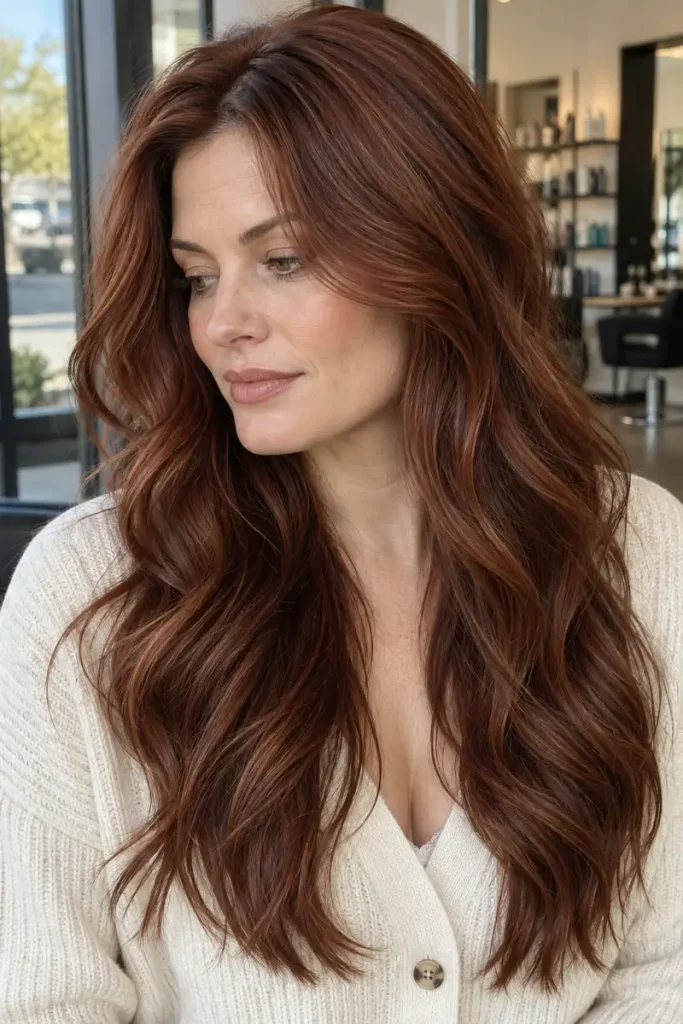
Classic auburn sits between a noticeable red and a warm brunette. Its brown depth makes the red feel more blended than a bright copper finish.
Long waves show the combination clearly, but a smooth lob can look just as rich. Choose a reference where the shade is visible across the whole head, not only in a sunny highlight.
Tell your colorist whether you want the red to show indoors or mainly in brighter light. Auburn can be adjusted toward brown or red, and that choice matters more than the name.
9. Deep Auburn With a Dark Root Melt
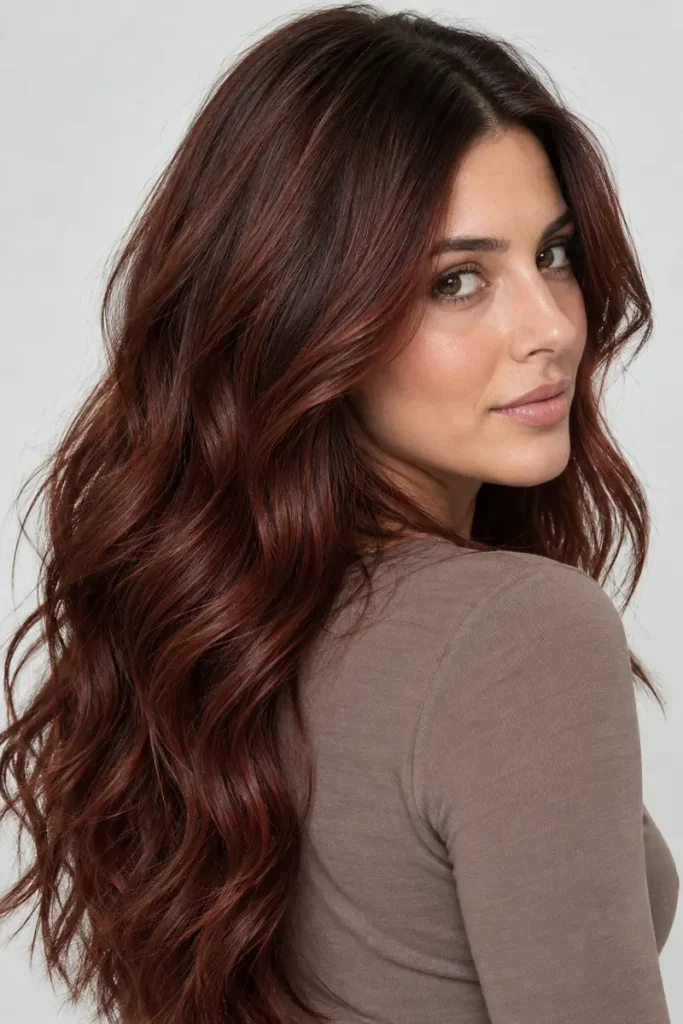
A dark root melt gives deep auburn a gradual start. The crown stays dark, then blends into richer red-brown lengths.
Keep the transition soft, without a sharp line where the auburn begins. A darker root can look especially clear on long hair because there is enough length for the blend to develop.
Ask for photos showing both the part and the back of the hair. Discuss how closely the root shade will match your natural color, since that affects how noticeable new growth may become.
10. Cinnamon Auburn With Fine Golden Ribbons
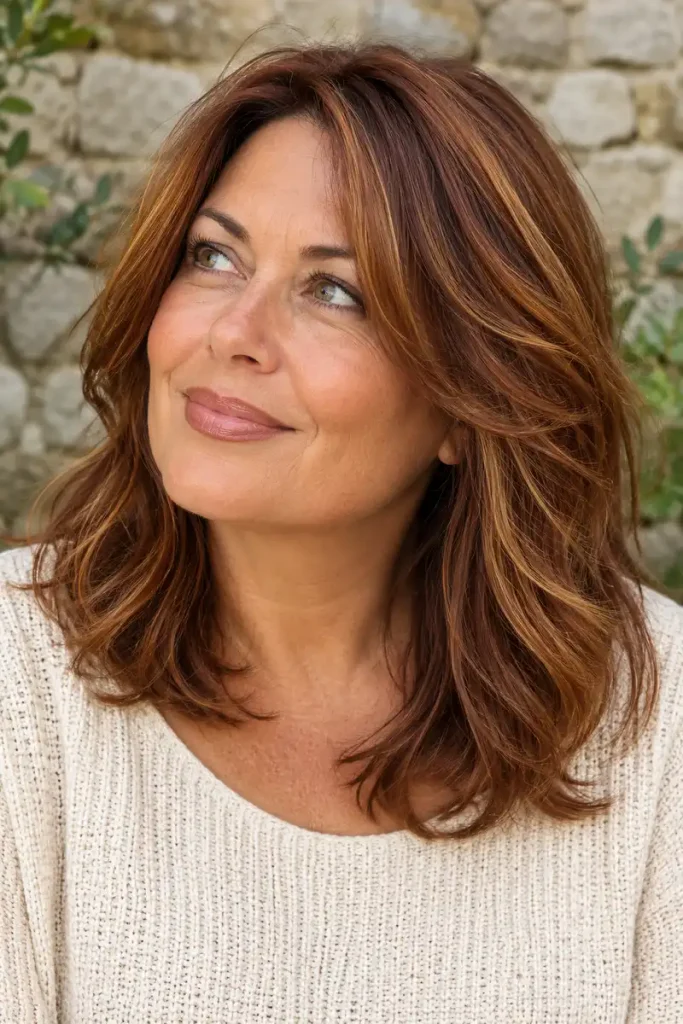
Fine golden ribbons break up cinnamon auburn without covering the red-brown base. The lighter strands should feel woven through the hair rather than sitting on top in broad stripes.
Place some around the face and a few through the surface layers. Gentle bends help separate the colors visually.
Keep the balance clear: Ask for auburn to remain the main shade. If the inspiration photo looks mostly golden, it may lead to a lighter result than you intended. Bring a second photo showing the auburn depth you want to keep.
11. Mahogany Auburn With a Subtle Burgundy Cast
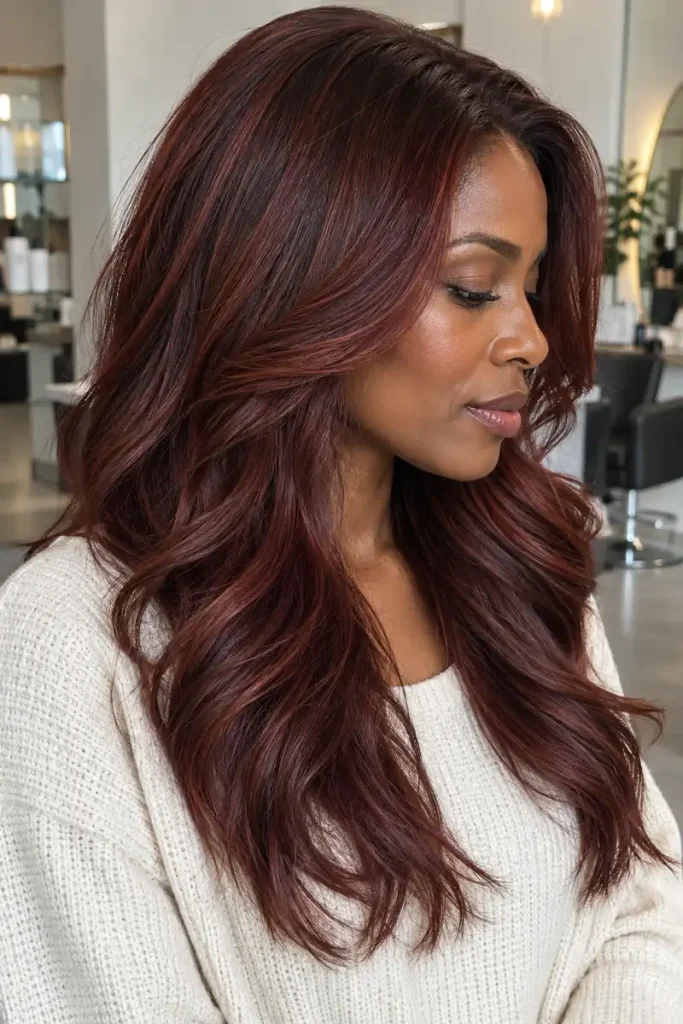
Mahogany auburn moves toward a wine-toned red rather than an orange copper. A subtle burgundy cast gives the brown-red base a different character.
Smooth lengths show the undertone clearly, while loose waves introduce darker and lighter areas as the hair turns. Keep your reference grounded in brown-red if you want a restrained finish.
Ask your colorist how much burgundy should be visible. A faint wine reflect and a strongly violet-red shade are different requests. Compare the reference in ordinary indoor light before making your choice.
12. Auburn Face Framing Highlights on Dark Brown Hair
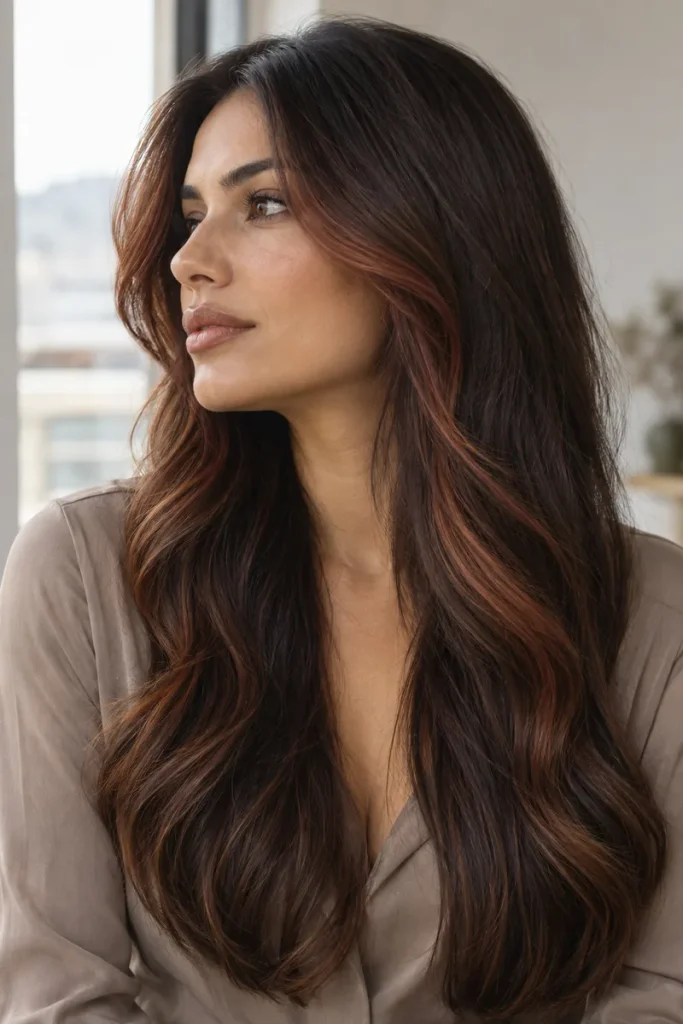
A few auburn pieces around the face can change dark brown hair without covering the entire base. The contrast stays concentrated where it is easiest to see.
Decide between slim blended ribbons and wider front sections. A tucked side or low ponytail can make the placement more noticeable.
Request photos of the highlight placement with the hair parted the way you normally wear it. Pieces designed around a middle part may sit differently after you switch to a deep side part.
13. Auburn Balayage Concentrated Through the Ends
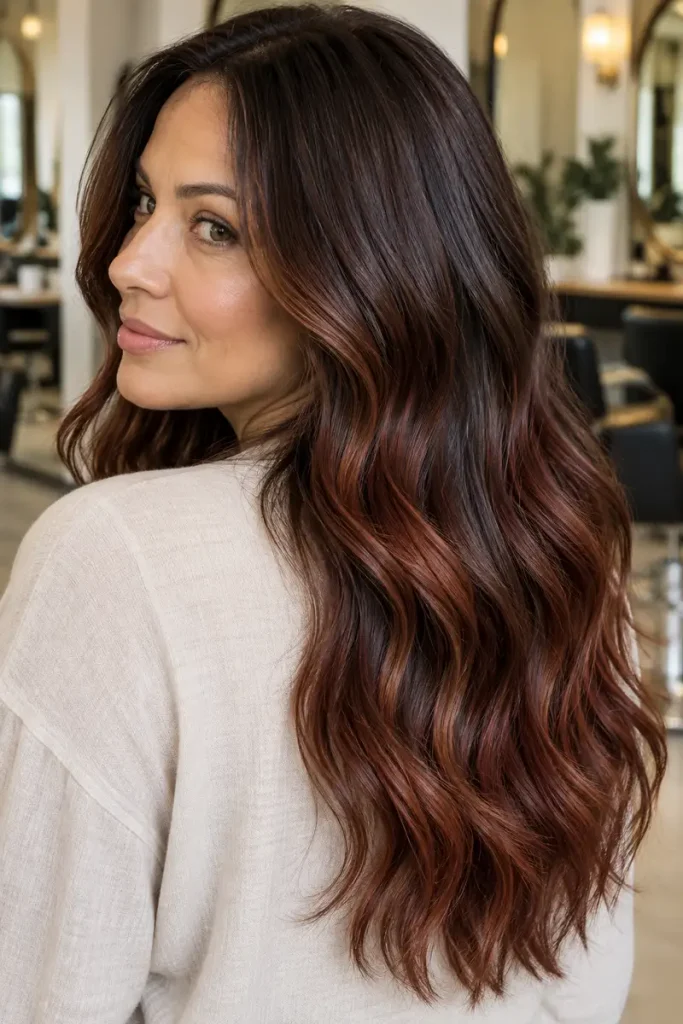
End-focused auburn balayage keeps most of the upper hair brown. The red-brown warmth becomes stronger through the lower lengths.
This placement gives long waves a clear color change without asking the whole head to carry red. Keep a few softer pieces higher up so the transition does not look like a straight dip-dyed line.
Tell your colorist where you want the auburn to become noticeable. Also mention any haircut you plan to get, since removing several inches could remove much of the colored section.
14. Dimensional Auburn With Dark Brown Lowlights
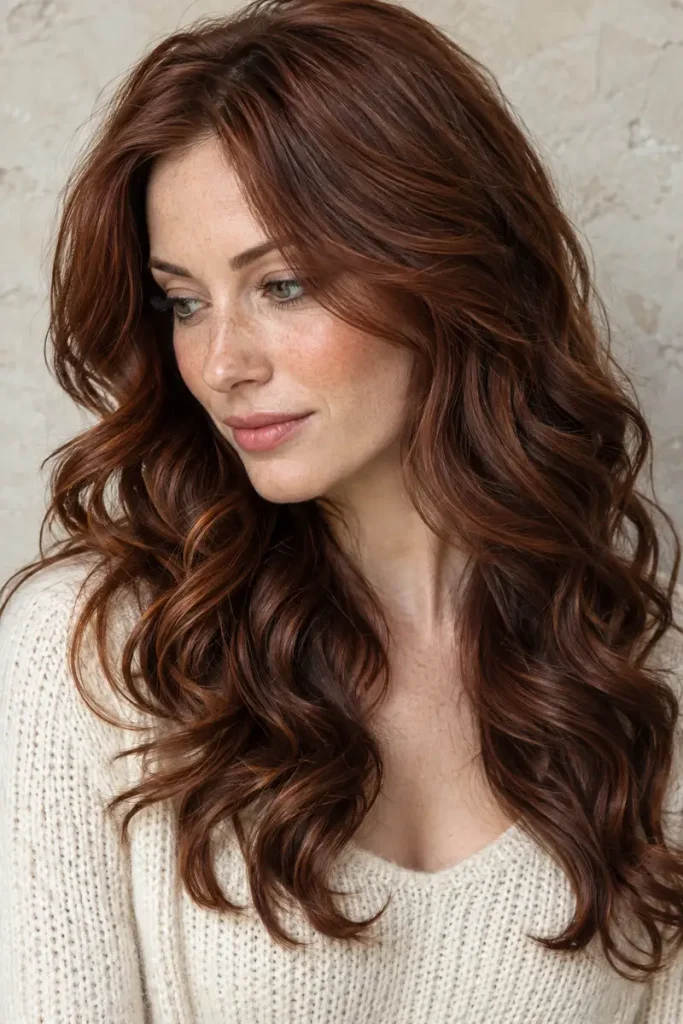
Dark brown lowlights introduce depth into an auburn base. Instead of adding brightness, they create darker threads that make the red-brown sections stand out.
Loose curls show the variation particularly well. For a quieter finish, ask for fine lowlights rather than broad dark panels.
What to clarify: Lowlights should add depth while leaving auburn visible. Take a photo that shows the amount of contrast you like. Too much dark placement may make the overall result look closer to brunette than the auburn you had in mind.
15. Classic Chestnut With a Subtle Red Sheen
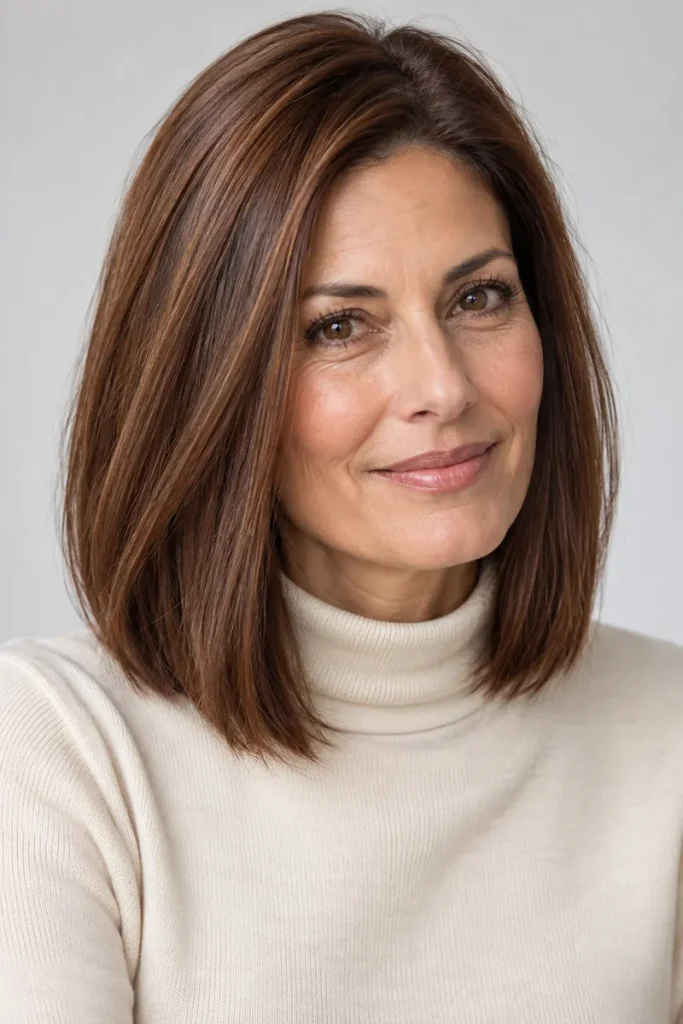
Chestnut is the quieter option when you want warmth but still want your hair to read as brown. The red sheen sits within the brunette shade rather than taking over.
A smooth long bob lets you see the color without lots of contrasting highlights. A simple blowout or air-dried bend keeps the finish understated.
Ask for warm chestnut brown with restrained red, and show a daylight reference. Make clear that you want a brunette result, especially if the inspiration photo appears much redder under strong lighting.
16. Golden Chestnut With Honey Face-Framing Pieces
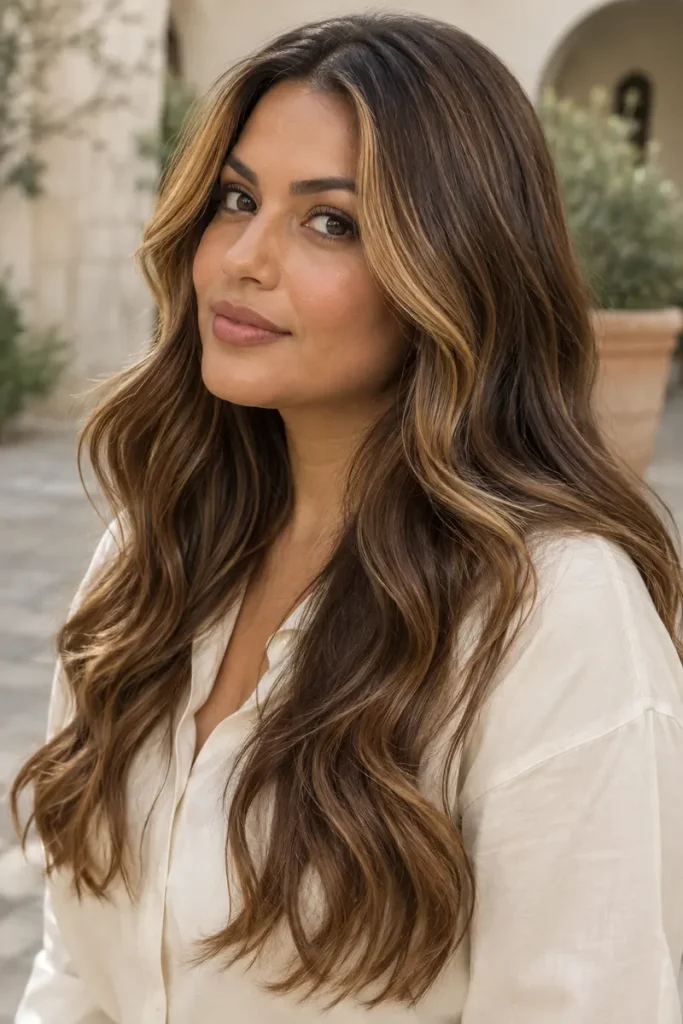
Honey pieces bring a lighter edge to golden chestnut while keeping most of the hair brown. Concentrating them around the face makes the placement easy to see.
Choose thin, softly blended sections for a subtle result. Wider pieces create a more obvious contrast, particularly when the hair is tied back.
Ask your colorist to keep the honey tone warm and the chestnut base visible. Show your usual ponytail or part during the consultation so the front pieces can be planned around how you actually wear your hair.
17. Red Chestnut With a More Noticeable Auburn Undertone
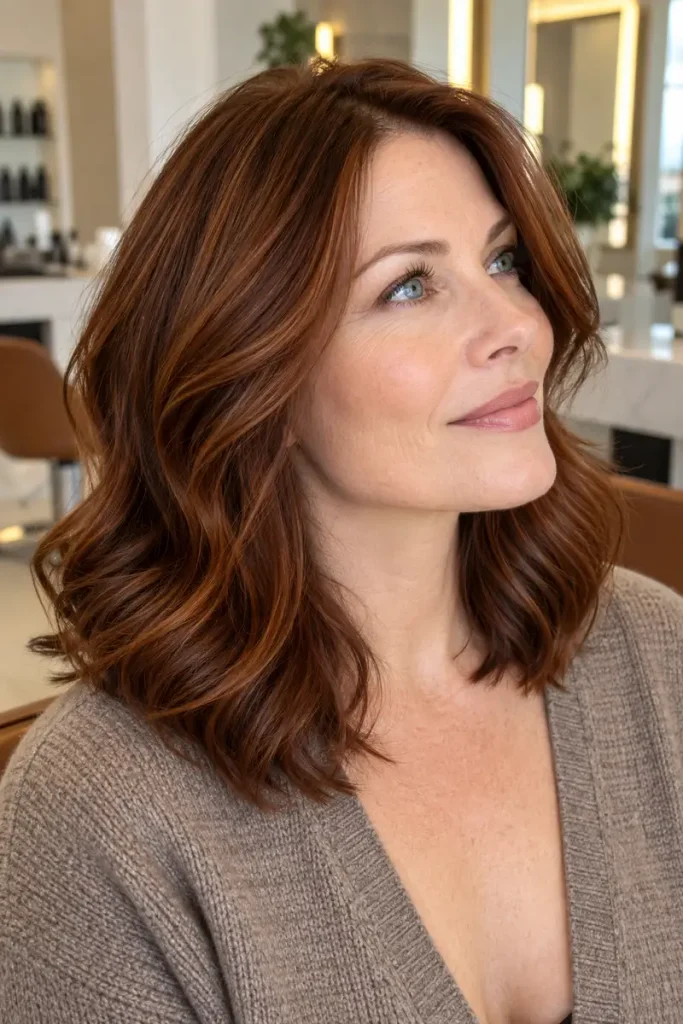
Red chestnut gives you more visible warmth than a subtle chestnut sheen, while keeping brown as the main color. It sits near the border between chestnut and auburn.
Shoulder-length waves make the reddish tone easy to notice across the surface. Straight styling gives a smoother, more uniform impression.
Bring two references: one showing the brown depth you like and another showing the red intensity you want. That makes it easier to explain the balance than asking for a shade name that different colorists may interpret differently.
18. Deep Chocolate Chestnut With Warm Reflects
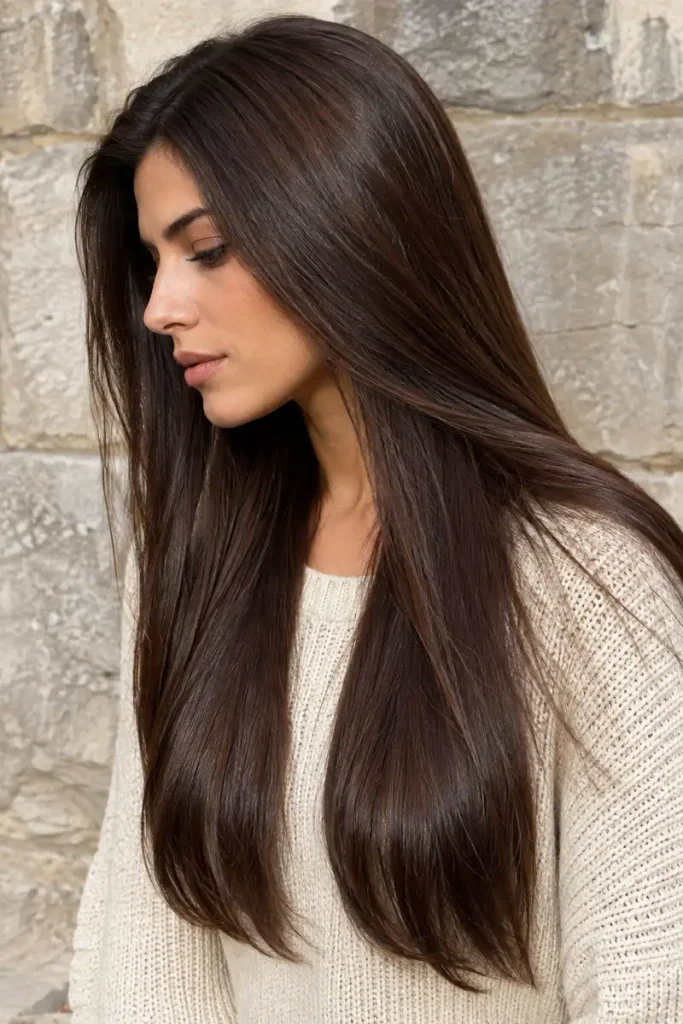
Deep chocolate chestnut keeps the overall shade dark. The warmth appears as a restrained reddish-brown reflection rather than a bright streak.
Long straight hair gives this look a simple, glossy shape. A side profile or back photo taken beside a window can help show the warm tone within the dark base.
Salon request: Deep brunette with gentle chestnut warmth, without obvious copper highlights. Compare indoor and daylight references so you are comfortable with both versions of the shade, especially if you prefer a very subtle change.
19. Chestnut Balayage With Soft Caramel Ends
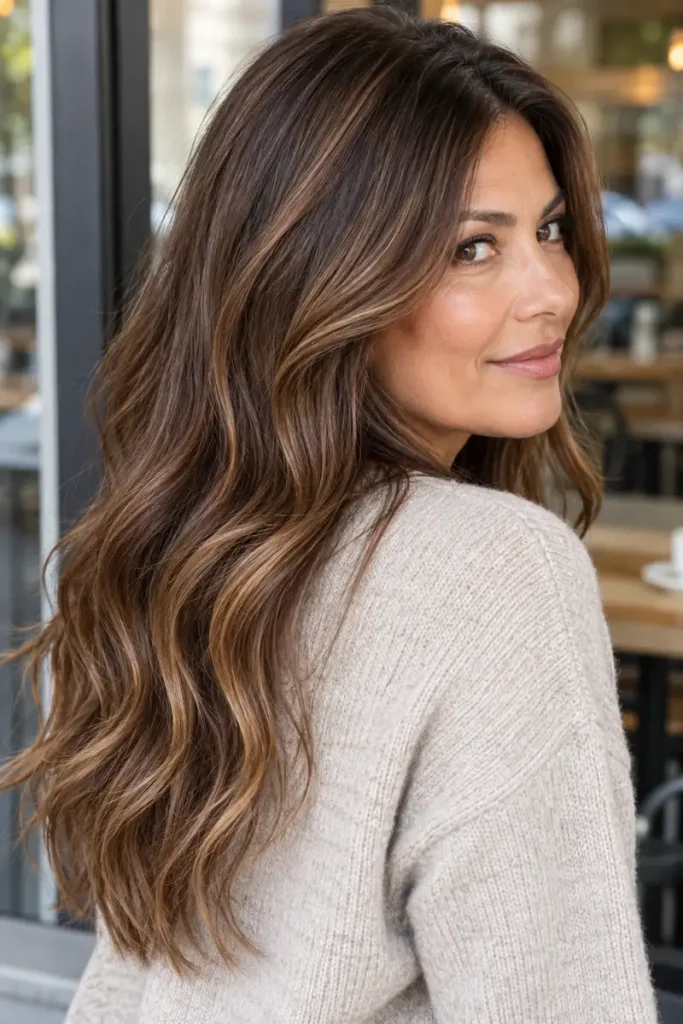
Caramel ends give chestnut balayage a lighter finish. The brown base stays visible through the crown and upper lengths, with warmth building farther down.
Keep the transition blended and choose caramel pieces that support the brunette rather than making the ends look pale blonde. Loose waves show the placement, while straight hair makes the blending easier to assess.
Ask for a back-view reference as well as a front view. The front may look softly highlighted even when the back has a much stronger color contrast.
20. Chestnut Curls With Fine Copper Highlights
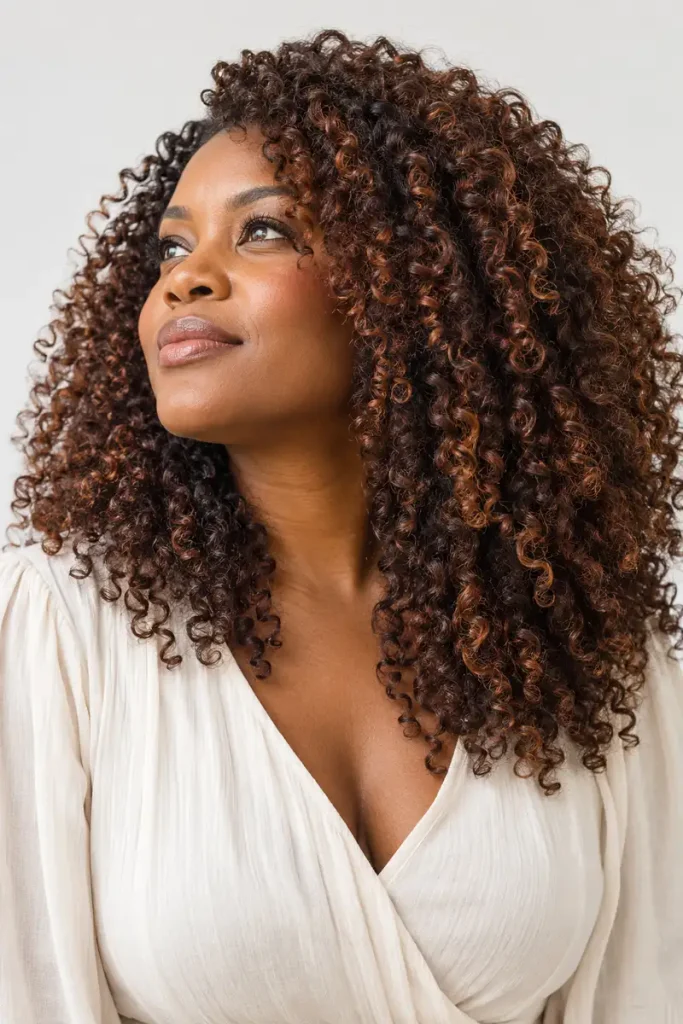
Fine copper highlights can trace individual curls through a chestnut base. The placement creates small points of warmth instead of large orange sections.
Use a reference with a curl pattern close to yours so the intended effect is easier to discuss. A highlighted strand can sit quite differently once it curls and dries.
Ask your colorist to look at your usual part, curl shape, and styling routine before planning the pieces. Make clear how much chestnut you want left visible between the copper strands.
21. Chestnut Brown With a Hidden Auburn Underlayer
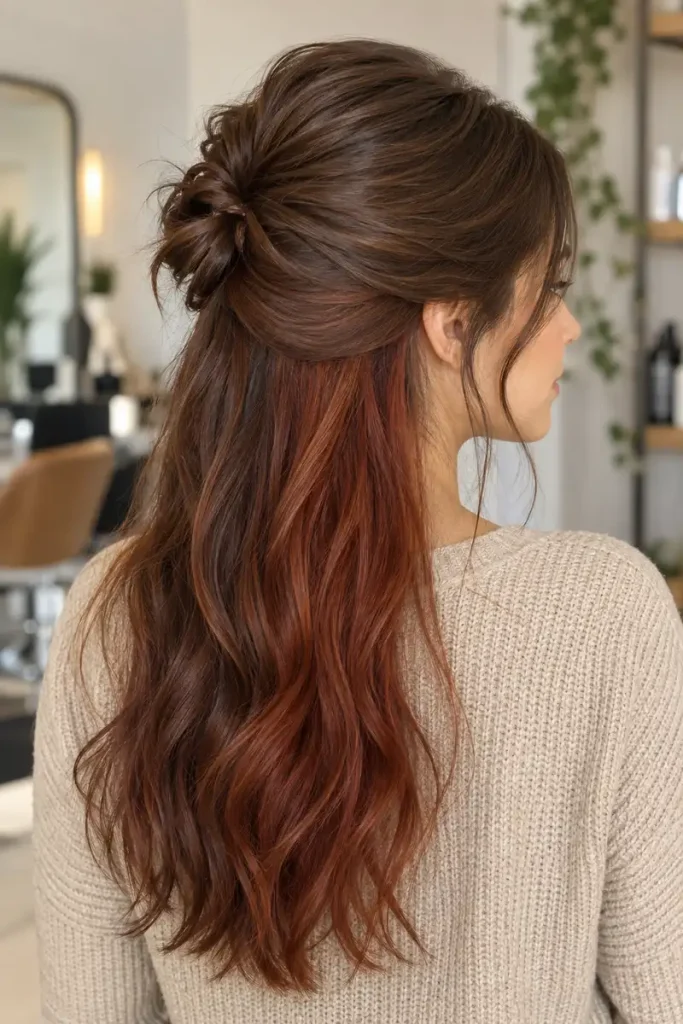
A hidden auburn underlayer lets chestnut stay dominant on top. The red-brown section becomes more visible when you wear a half-up style, clip the hair back, or move the upper layers.
Decide how much color you want underneath before the appointment. A narrow nape section gives a smaller reveal than a broad panel extending toward the sides.
Bring references showing both hair down and hair up. Ask your colorist how your layers will affect the reveal, since shorter upper sections may expose more auburn than you expect.
How to Care for Your New Red or Red-Brown Color
The appointment is only part of keeping your chosen shade looking fresh. Use shampoo and conditioner formulated for color-treated hair, wash with lukewarm water, and limit repeated heat styling. Apply a heat protectant when you use hot tools. lorealparisusa.com
Ask your colorist whether a shade-matched gloss or color-depositing product belongs in your routine. Copper, auburn, and chestnut need different tonal balances, so choose a refresh product for your actual shade rather than buying a general red treatment.
Root upkeep and tone upkeep are separate. A blended root may make new growth less noticeable while the colored lengths still need attention. Agree on a maintenance plan based on your starting color, placement, and desired brightness.
Choose the Amount of Red You Want to See
Start with the shade family, then choose the placement. Copper suits a more visible orange-gold direction, auburn offers a deeper red-brown balance, and chestnut keeps the result closer to brunette.
The right fall red hair idea is the one you can describe clearly and enjoy wearing between appointments. Pick two or three references, compare their roots and ends, and note what you like about each. Include a photo showing the style you normally wear, too.
Save your favorite ideas to Pinterest so your colorist can see the tone, contrast, and placement you have in mind.
