
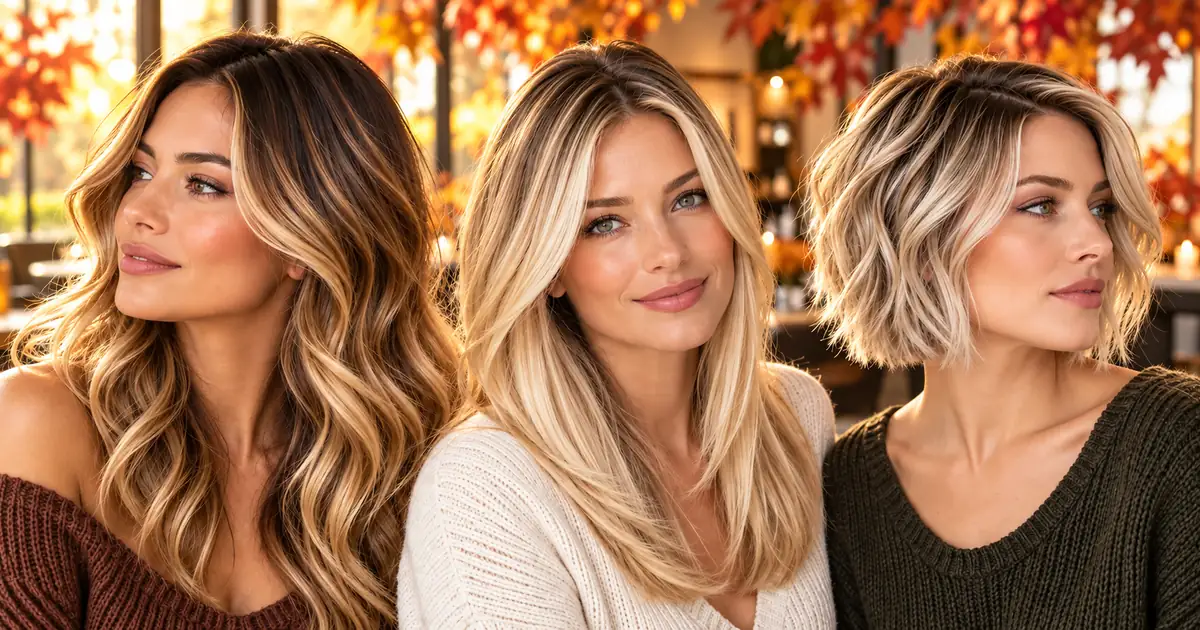
The best fall blonde is not always the darkest one. Sometimes all it takes is a warmer tone, a little depth around the roots, or highlights placed where they will still look good as they grow out.
Choosing a shade from a photo is the easy part. The harder question is what happens a few weeks later. Will your natural roots create a sharp line? Will the blonde turn warmer than you wanted? Will the color need a full highlight appointment to look fresh again? Those details matter as much as the shade itself.
These fall blonde hair color ideas include soft honey tones, deeper brondes, cool beige shades, and brighter blondes with intentional roots. Each idea explains where the color starts and what kind of upkeep to expect. Your starting color and hair condition will affect the result, so bring your favorite photo to a colorist and talk through the root plan before you commit.
1. Honey Blonde Balayage With Natural Dark Roots
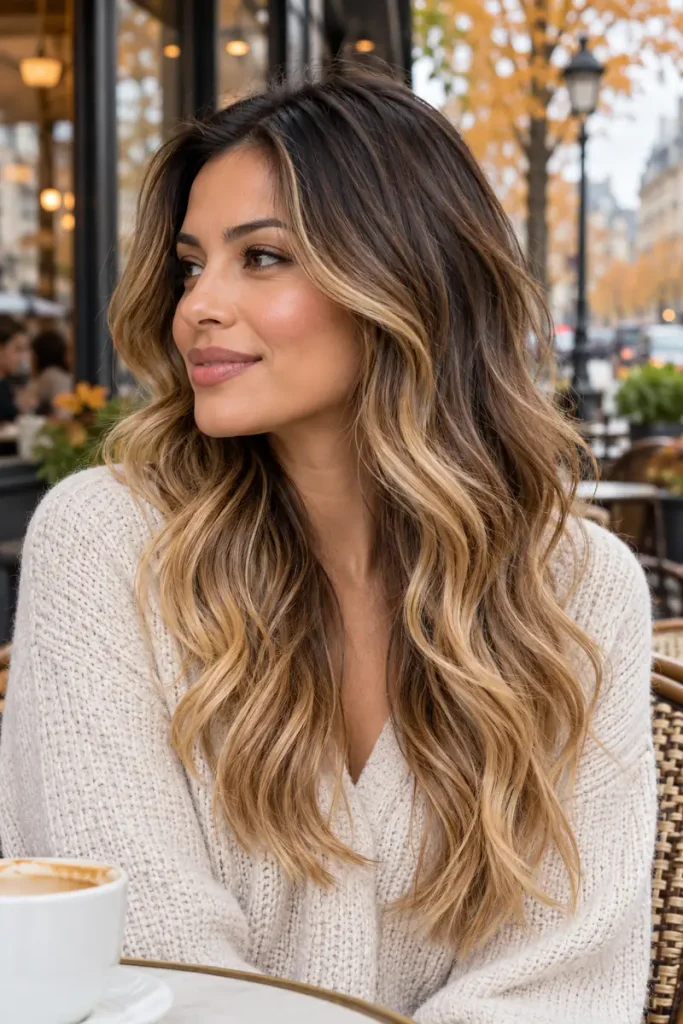
Honey blonde balayage adds warm, golden pieces through the middle and ends of the hair. It gives brunette hair a lighter look without covering every dark strand.
Ask your colorist to leave your natural roots visible and blend the blonde gradually below them. As the hair grows, there is no solid line of blonde right at the scalp. To maintain the look, focus on keeping the honey tone glossy and refreshing the light pieces when they begin to feel too low or dull.
2. Buttery Blonde With a Soft Root Tap
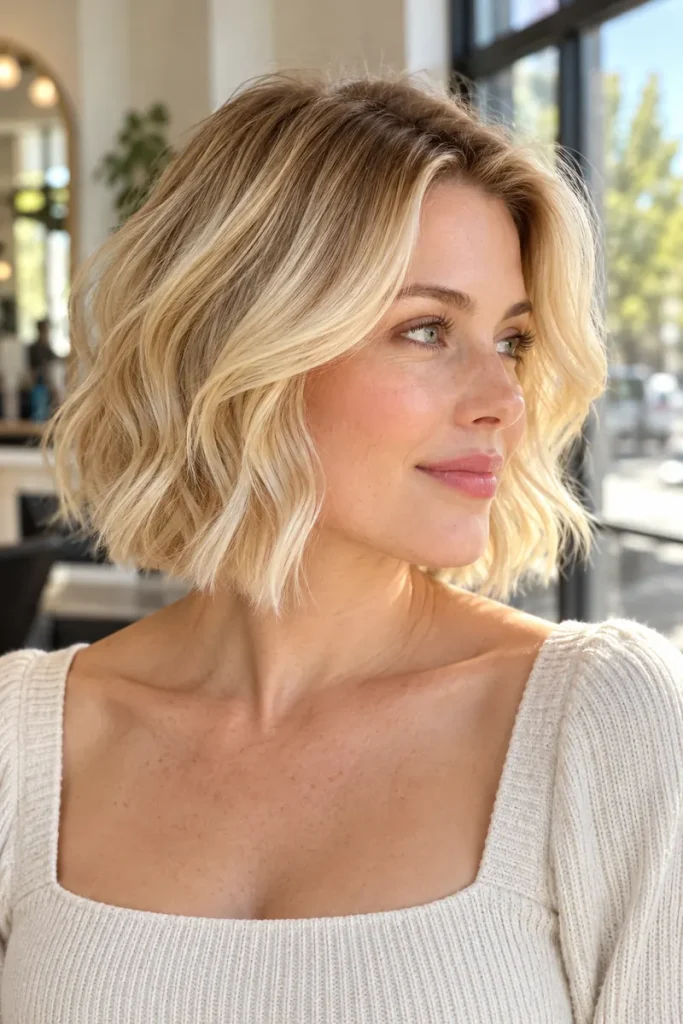
Buttery blonde has a creamy, golden finish that feels bright without looking icy. A soft root tap adds a little depth at the scalp, so the blonde does not begin with a harsh line.
This is a useful choice if you like an overall light look but want your natural growth to blend more gently. The root tap will soften as the color fades, while the lengths may need a toner or gloss to keep that creamy finish. Ask for a root shade close to your natural color if easy regrowth is your priority.
3. Caramel Blonde Ribbons on a Brunette Base
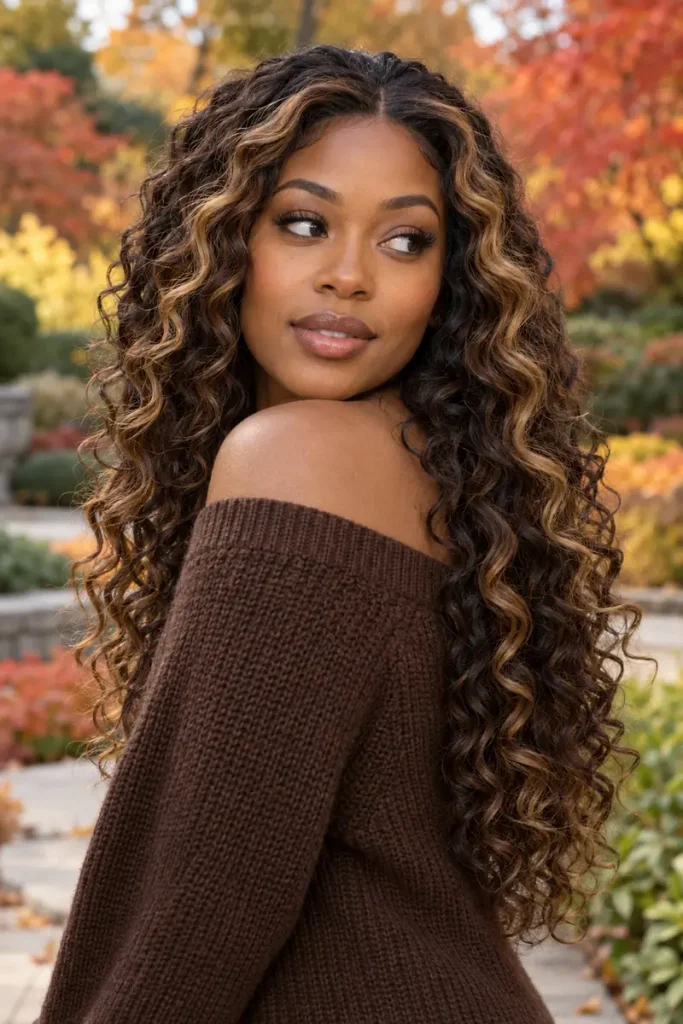
Caramel blonde ribbons bring warmth to brown hair without turning the entire head blonde. The lighter pieces can run through the surface and around the face, while plenty of brunette depth stays underneath.
Keep the color off most of the roots for easier upkeep. When the ribbons fade or lose their shine, a warm gloss may bring back the caramel look. If you eventually want more brightness, your colorist can add a few ribbons instead of lightening everything at once.
4. Creamy Beige Blonde With Root Smudging
Creamy beige blonde sits between warm gold and cool ash. It looks soft rather than yellow or silvery, which makes it easy to pair with fall clothing colors.
A root smudge blends the darker area near the scalp into the lighter hair. Tell your colorist how much root you want to see, since a shallow smudge looks brighter and a deeper one creates more contrast. Upkeep centers on preserving the beige tone and checking whether the roots still blend the way you like as they grow.
5. Strawberry Blonde With a Warm Root Melt
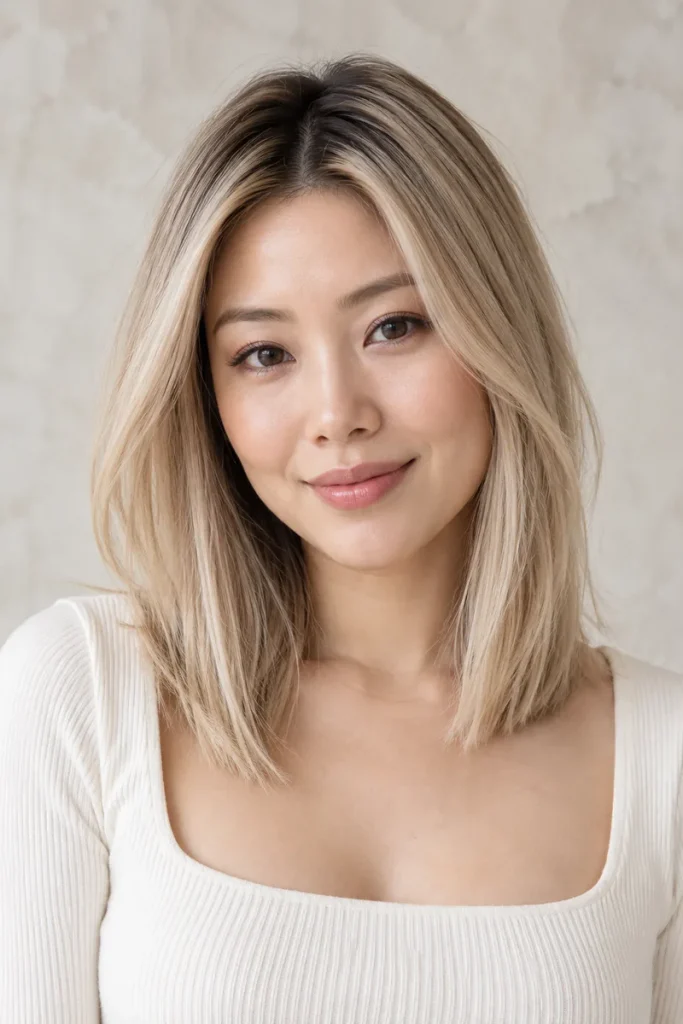
Strawberry blonde mixes blonde with a gentle rosy or copper warmth. It can look especially rich in autumn light, even when the color is kept subtle.
A warm root melt lets the deeper shade at the scalp flow into the lighter strawberry lengths. The rosy tone can fade with washing, so expect the color to shift between appointments. A colorist can suggest a gloss or color-depositing product that matches your exact shade. Purple shampoo is usually not the right default for a color whose warmth you want to keep.
6. Sandy Blonde With Face Framing Highlights
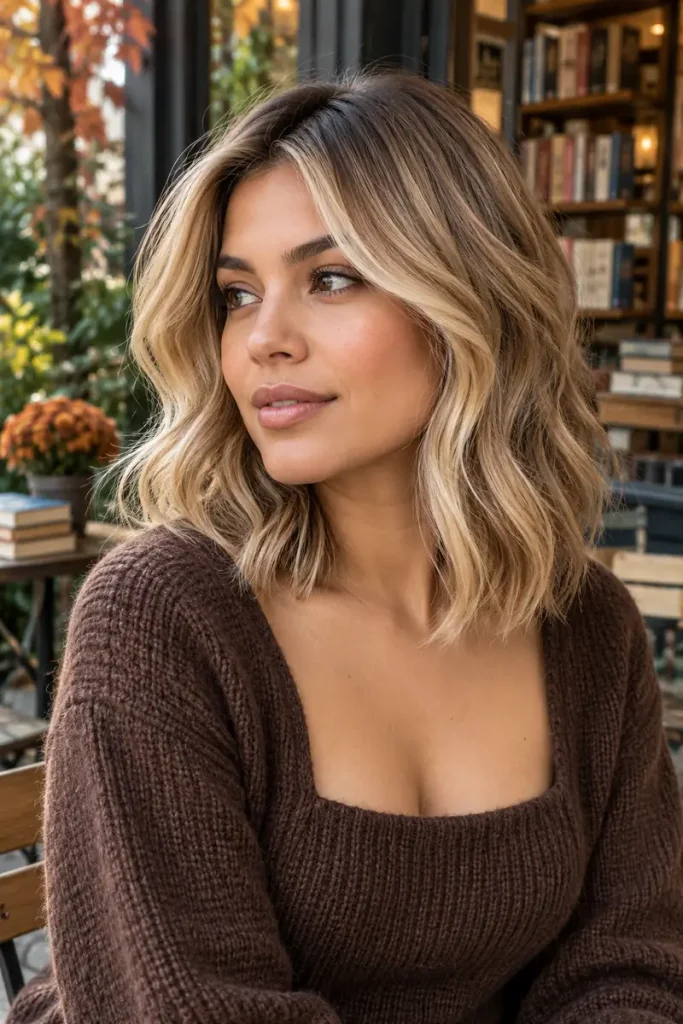
Sandy blonde has a natural mix of beige and soft gold. Adding brighter pieces around the face can make the whole color feel lighter without filling the back of the head with highlights.
Ask for the front pieces to connect gently with your natural root color. Very bright highlights starting at the scalp will show regrowth sooner, while a softer starting point grows out more easily. Maintain the look by refreshing the face-framing pieces when they lose their brightness and toning the lengths only when the shade needs it.
7. Toasted Coconut Blonde With Deep Roots
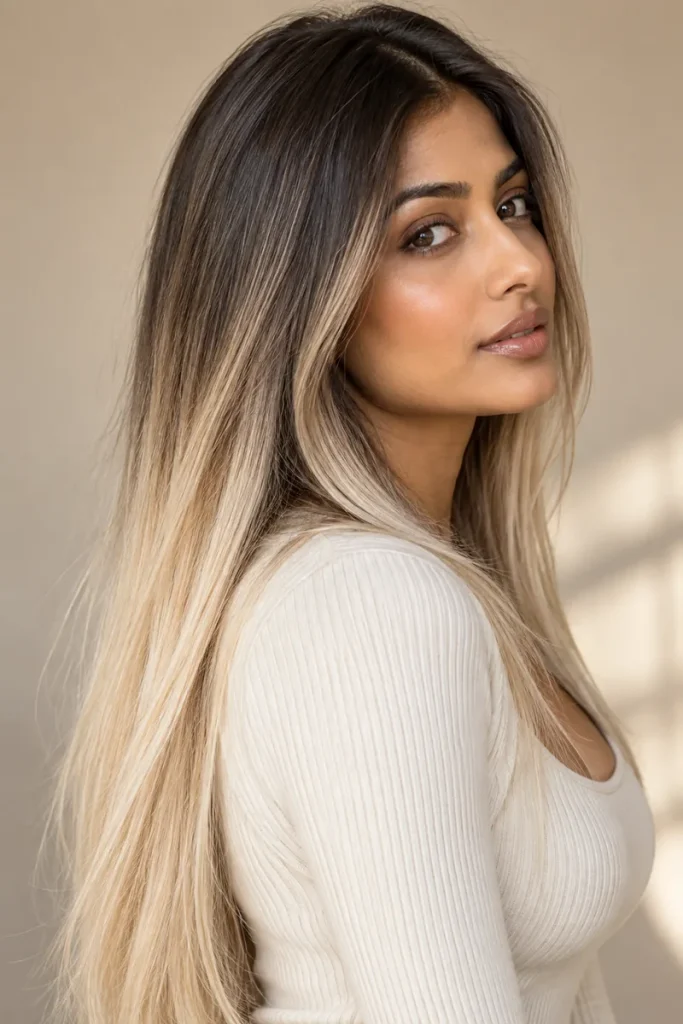
Toasted coconut blonde pairs noticeably dark roots with pale, creamy lengths. The contrast is intentional, so it works best when you want your roots to be part of the style.
Show your colorist where you want the darker shade to end. Too short a root may grow into a visible band, while a well-blended transition keeps the contrast looking planned. The pale ends are the part that needs the most attention, especially if they become dry or shift toward unwanted yellow tones.
8. Golden Wheat Blonde With Fine Highlights
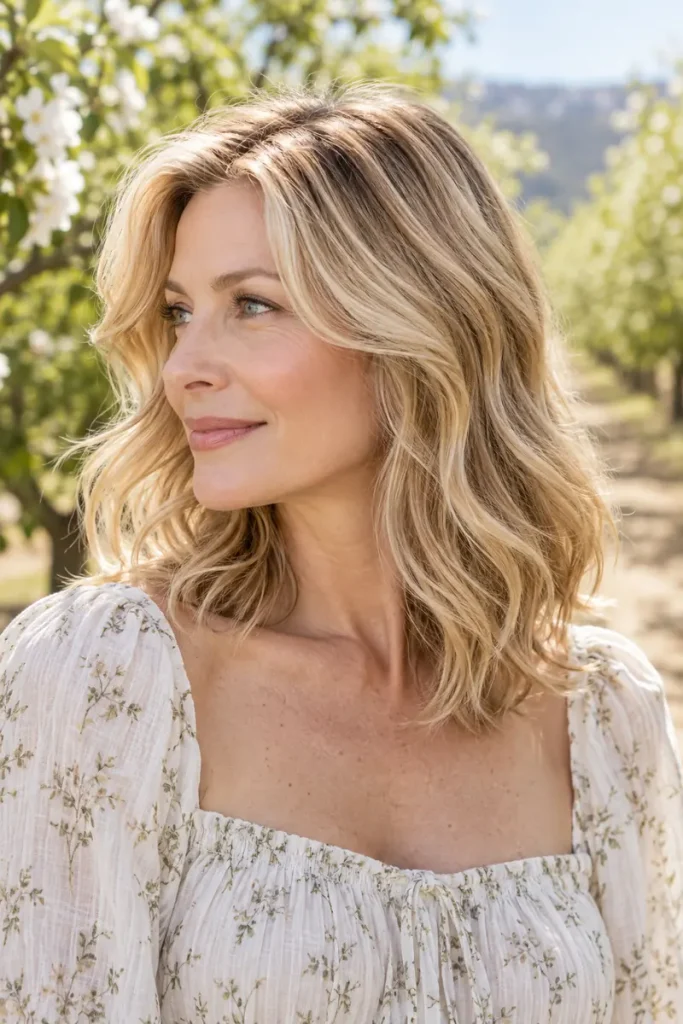
Golden wheat blonde uses small, fine highlights to create a soft blend of light and medium blonde. It has warmth, but the individual strands keep it from looking like one flat color.
Fine highlights placed close to the scalp give a bright result, though new growth will become visible sooner than with lower-placed balayage. Ask for a gentle root blend if you want more flexibility between appointments. Keep the gold looking clear with color-safe care, and use toning products only if the shade becomes warmer than you intended.
9. Mushroom Blonde With Cool Shadow Roots
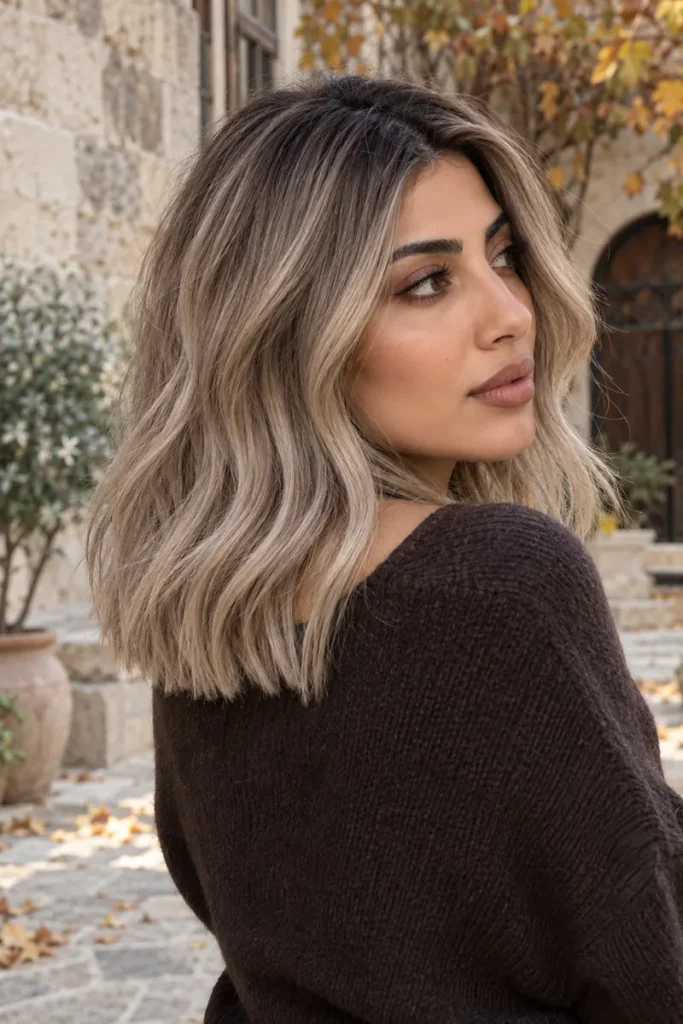
Mushroom blonde has muted beige and ash tones with a deeper, cool root. It is a quieter fall option for someone who prefers less gold in their hair.
The shadow root creates depth and helps new growth blend, especially if your natural color is dark blonde or light brown. Cool tones can change as the toner washes out, so this shade may need a refresh when warmth starts showing through. Bring a reference photo to show how cool you want the finished color, since “mushroom blonde” can mean different things to different colorists.
10. Maple Blonde Balayage With Brown Roots
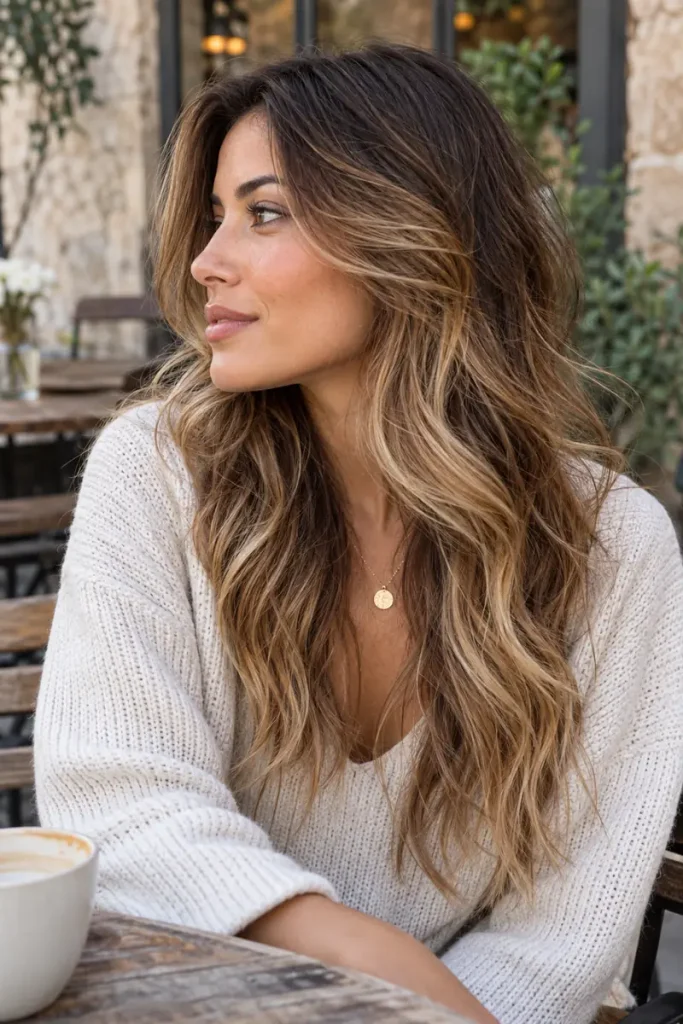
Maple blonde has a warm, light brown-to-blonde feel. Think soft amber highlights over a brown base rather than a full head of pale blonde.
Balayage lets your natural brown roots stay in place while the warmer pieces brighten the lengths. This makes the grow-out gradual. If the color begins looking flat, a gloss can restore warmth and shine. You can keep the same placement for a deeper look or add lighter pieces later if you want more blonde.
11. Champagne Blonde With a Delicate Root Shadow
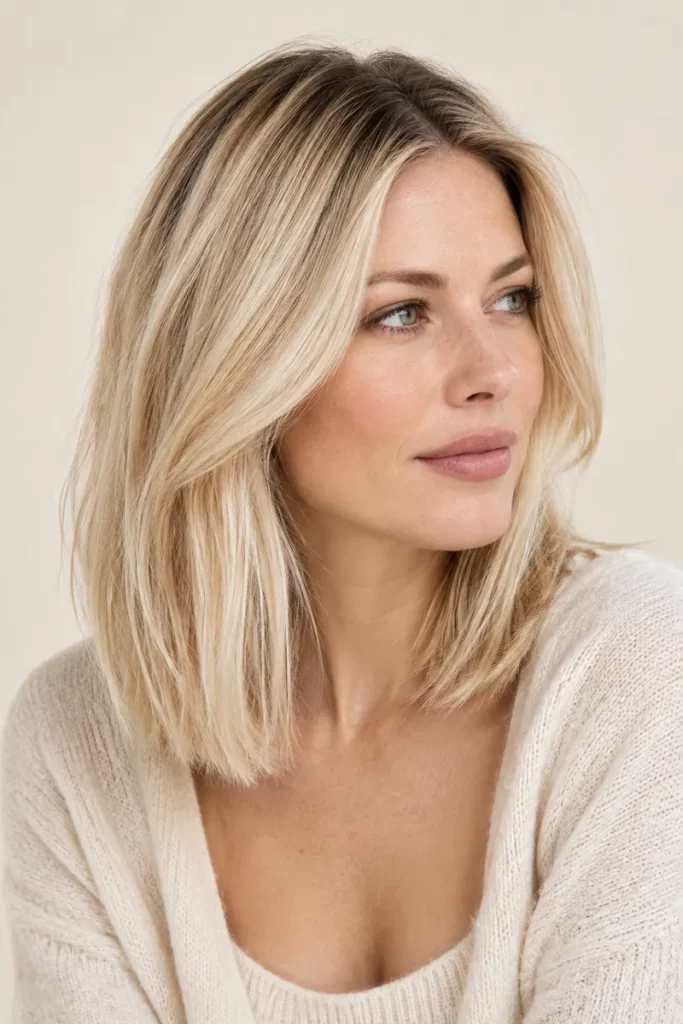
Champagne blonde is light and polished, with a balance of soft beige and pale gold. A delicate root shadow keeps it from looking too stark against natural regrowth.
This shade suits someone who wants to stay visibly blonde from the front and through the ends. Because the lengths are light, they may need more tone care than a deeper bronde. Talk to your colorist about how often you are willing to refresh the brightness before choosing how pale to go.
12. Copper Blonde With Natural Looking Roots
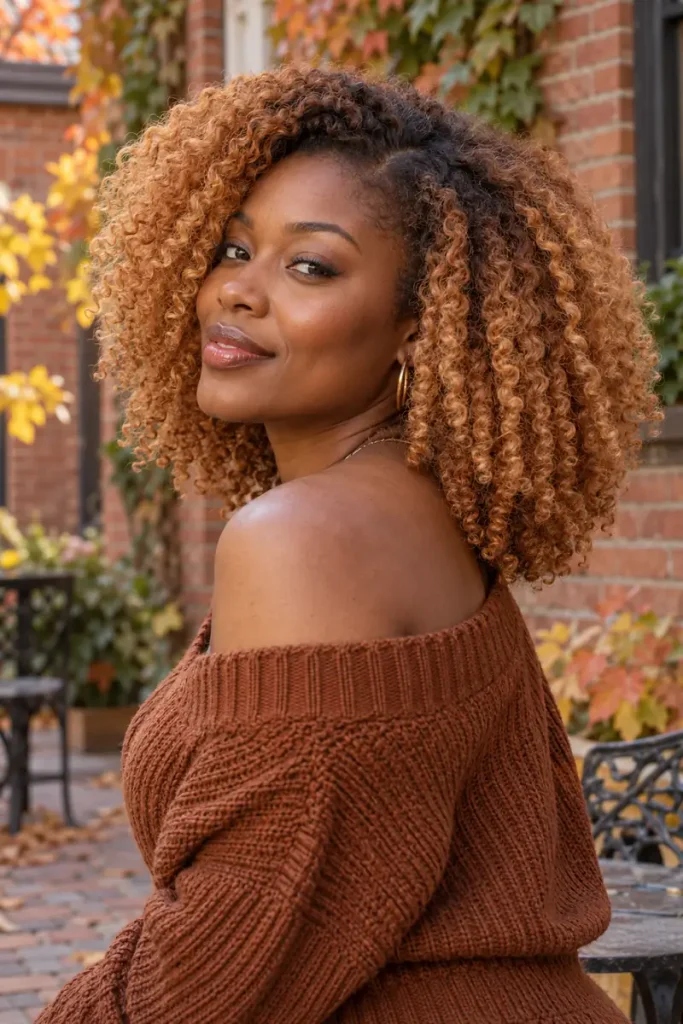
Copper blonde brings a warm reddish glow to a blonde base. It is a noticeable fall change, but it can still look wearable when the copper is soft rather than vivid orange.
Keeping the roots close to your natural depth makes the color easier to grow out. Copper tones may fade or shift with washing, so ask how to refresh the shade between salon visits. If your starting hair is already blonde, discuss how much warmth you want before the color is applied.
13. Bronde With Honey Money Pieces
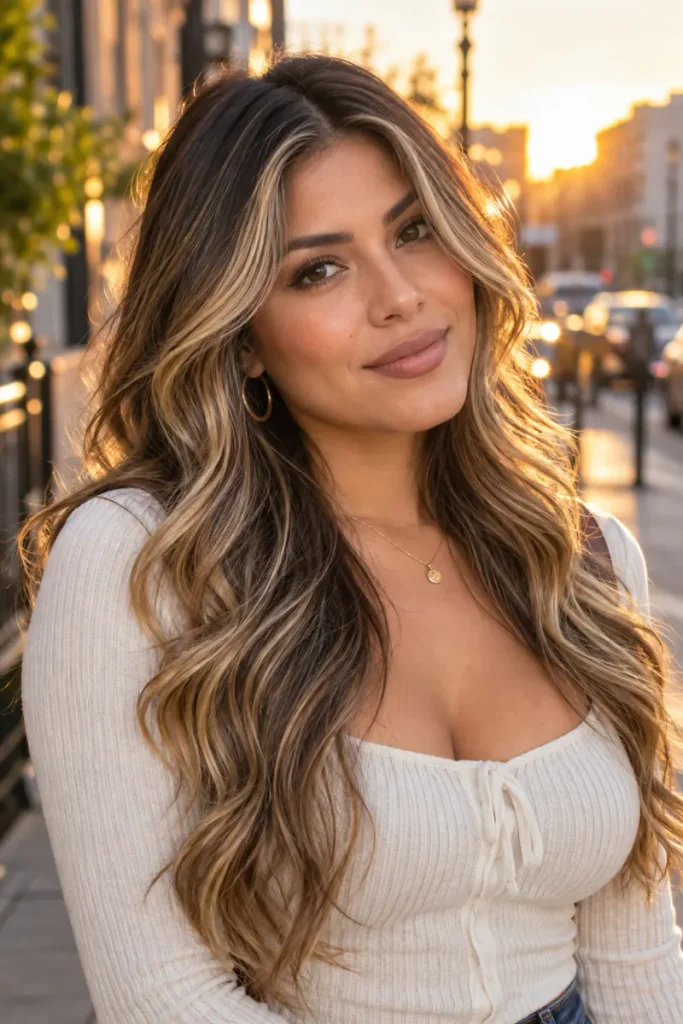
Bronde keeps a balance of brown and blonde. Honey money pieces add brightness around the face while the rest of the hair retains more depth.
The front pieces are the main upkeep decision. Highlights that start very close to the roots will look brighter at first but may need attention sooner. A softly blended start gives a gentler grow out. If you want to refresh the look without a full color service, the face framing pieces may be the first place to revisit.
14. Vanilla Blonde With Lowlights
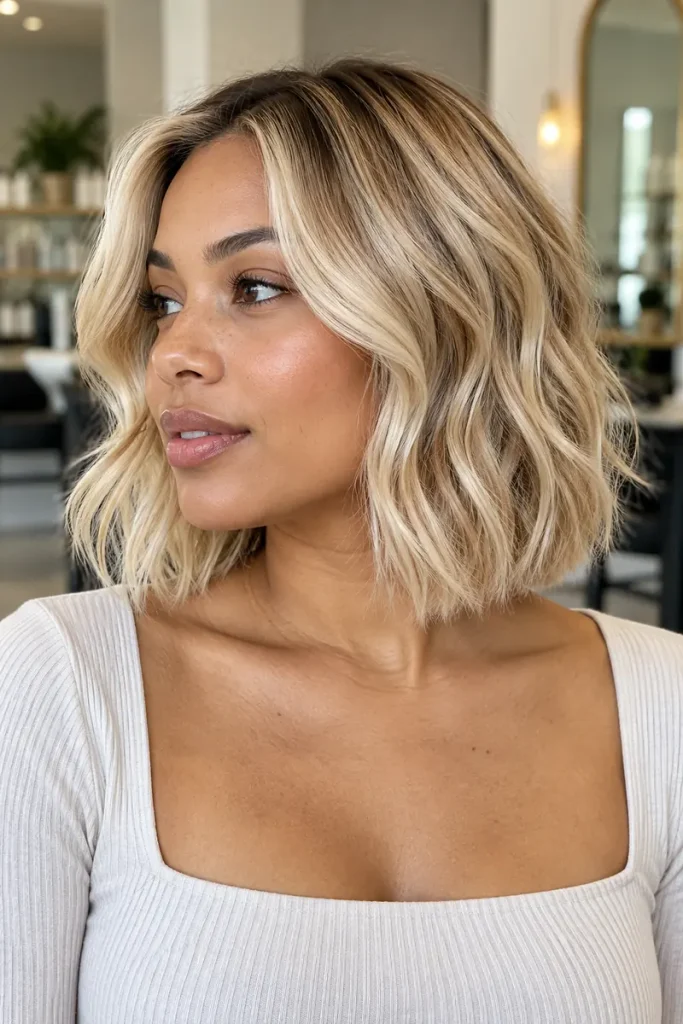
Vanilla blonde is a soft, pale shade with a hint of warmth. If an existing blonde looks too flat, adding a few lowlights can bring back depth without losing the light overall effect.
Ask your colorist to weave the lowlights through the lengths and consider a soft root connection. That depth can help new growth look less separate from the rest of your hair. For upkeep, watch how the light and dark pieces fade together. A gloss may be enough when the tone looks tired, while new highlights are a separate decision.
15. Amber Blonde With a Soft Brown Root Melt
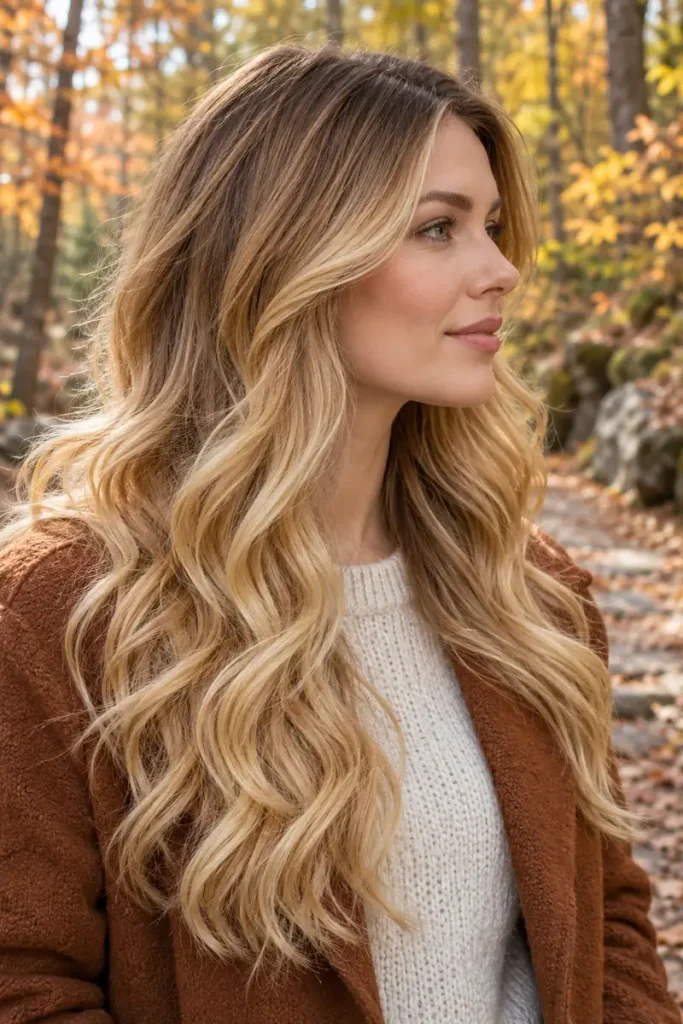
Amber blonde combines golden blonde with a deeper, almost caramel warmth. It looks especially rich when a soft brown root melts into the lighter color.
The root melt should blend through the upper lengths rather than stop at a straight line. That transition is what keeps regrowth looking natural. Maintain the amber tone with gentle color care, and ask for a gloss when the warmth loses its clear, shiny finish.
16. Ash Blonde With a Blended Dark Root
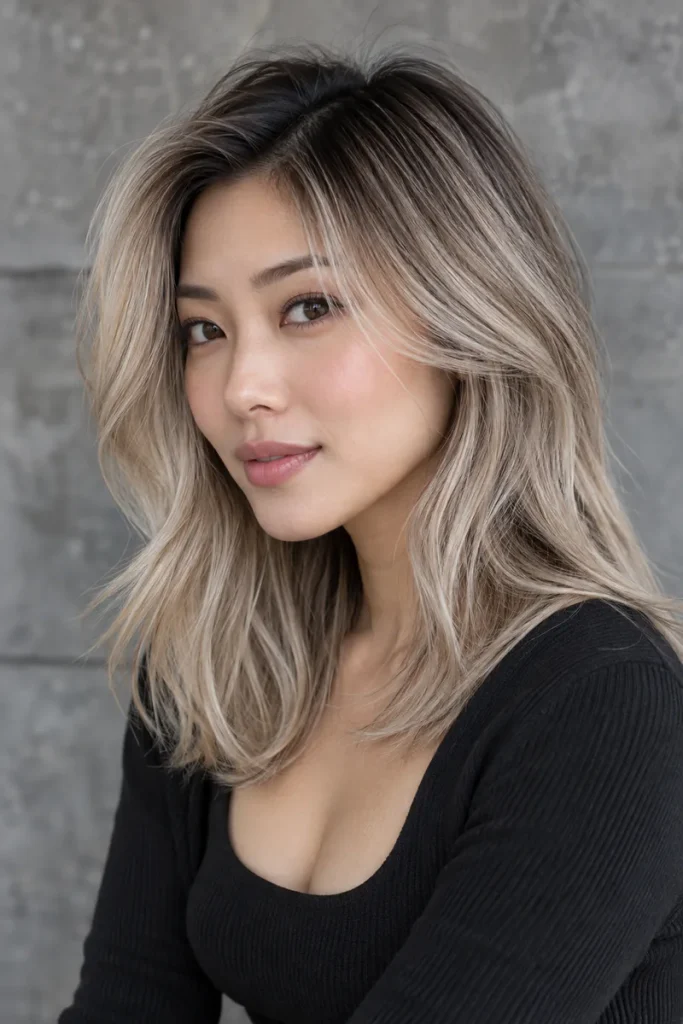
Ash blonde has a cool, smoky finish. Pairing it with a blended dark root gives the color depth and makes new growth less abrupt.
The root and the blonde lengths have different upkeep needs. The dark blend handles regrowth, but the ash tone may become warmer as it fades. A purple toning product can help with unwanted yellow tones when used as directed, though it will not replace a salon toner if the shade has changed more substantially. Ask your colorist for a realistic care routine for your starting color.
17. Pearly Blonde Highlights on a Dark Blonde Base
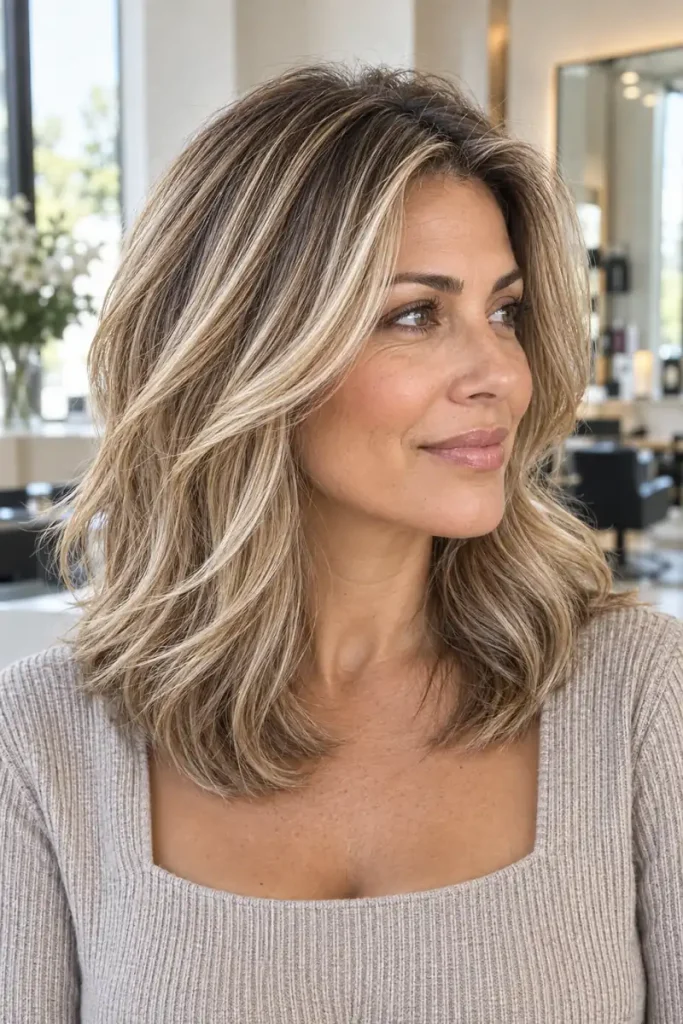
Pearly highlights add pale, luminous strands to a darker blonde base. The contrast is softer than platinum highlights over deep brown hair, but you can still see the brightness when the hair moves.
Your natural base can remain at the roots between the highlighted pieces. For a softer grow-out, ask for fine highlights and a blended placement rather than a solid block of light color. Upkeep depends on how pale you want those pearly strands to remain. Refresh the tone when they start looking yellow rather than automatically adding more bleach.
18. Sunlit Blonde Ends With a Natural Root
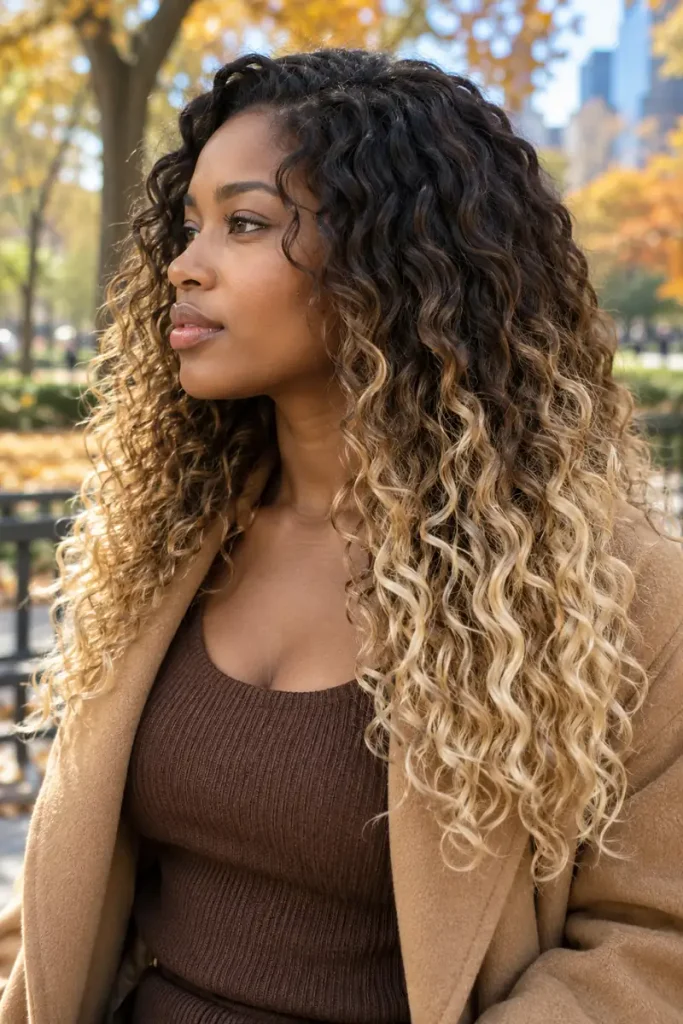
This look concentrates blonde from the middle of the hair toward the ends. The roots stay natural, giving you a noticeable change without committing to light color at the scalp.
Ask for a gradual transition so the blonde looks connected to the darker upper section. Because the color sits lower, root growth is less of a concern. Pay more attention to the condition and tone of the ends, which have often been lightened the most.
19. Cinnamon Blonde With Warm Lowlights
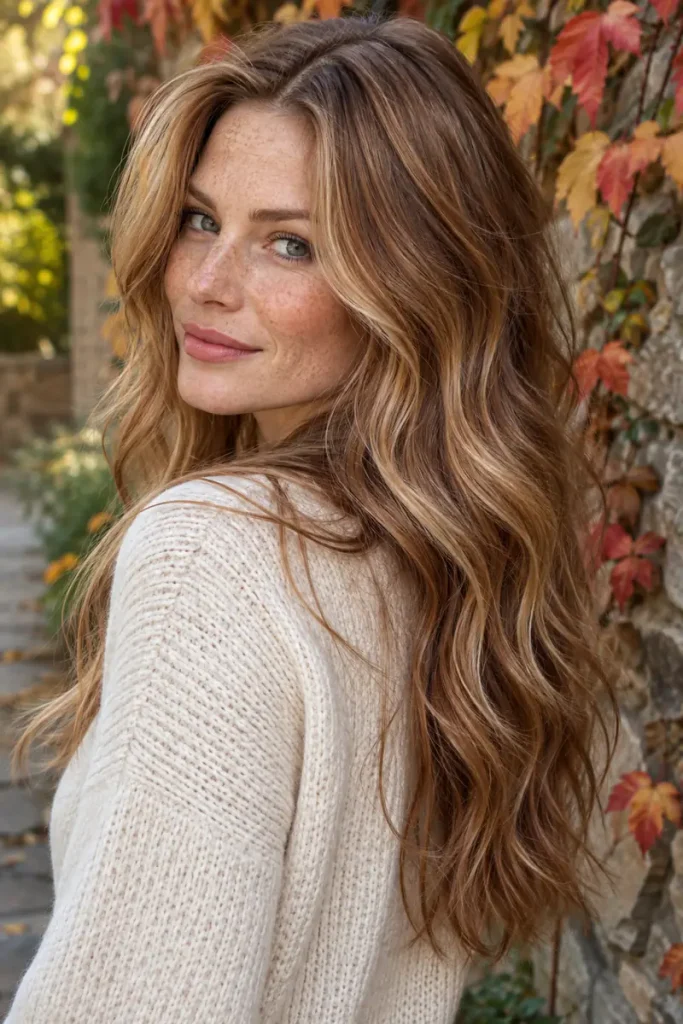
Cinnamon blonde combines warm blonde with subtle reddish-brown depth. Lowlights keep the color rich and varied instead of uniformly golden.
This can be a way to move an overly bright summer blonde toward fall without covering every light strand. Ask your colorist to connect some of the deeper pieces to the roots for a more natural grow-out. The warm tone may change with washing, so plan a color refresh based on how the shade actually fades on your hair.
20. Oat Blonde With a Barely There Root Shadow
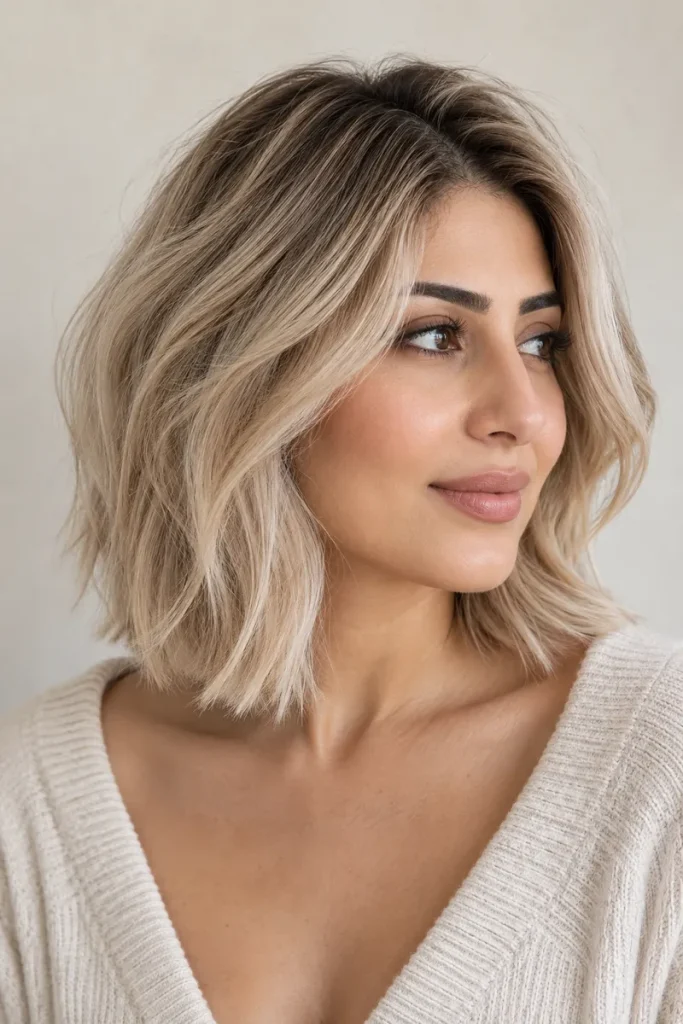
Oat blonde is a muted, creamy beige shade. It looks lighter than many brondes but softer than a bright yellow blonde.
A barely-there root shadow gives it a gentle transition at the scalp without making the roots a major feature. Show your colorist a photo of the amount of depth you want, especially if you prefer a very light hairline. To keep the oat tone, pay attention to both excess warmth and excess ash. Either can change the soft beige result you chose.
21. Golden Bronde With Lived In Highlights
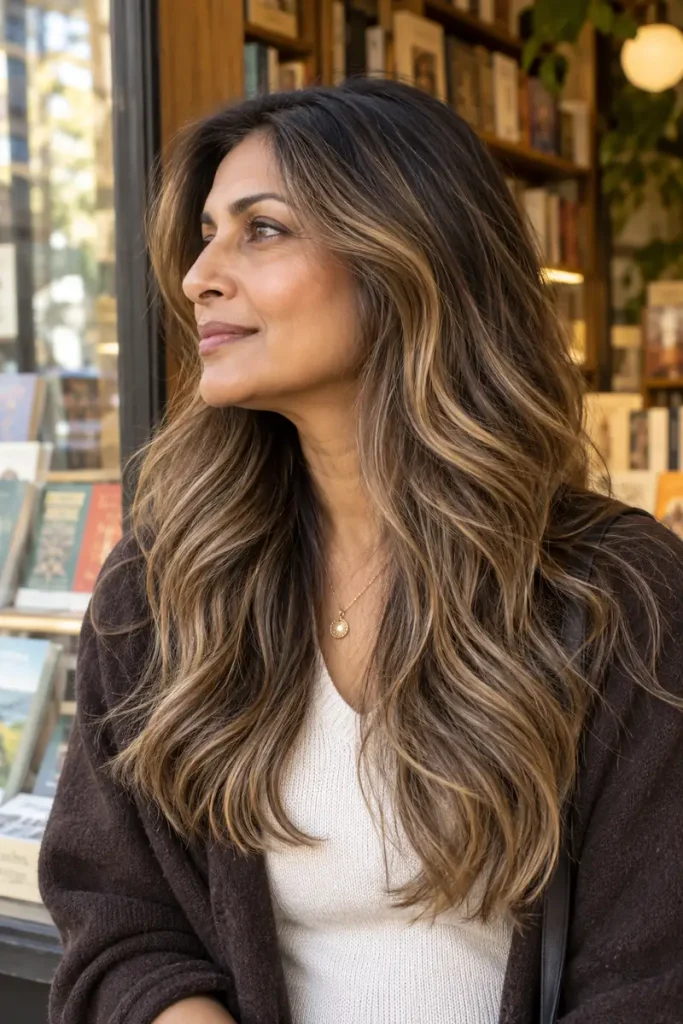
Golden bronde keeps a brown foundation and layers golden blonde highlights through it. The finished look has enough blonde to catch the light while still feeling rich for fall.
Ask for highlights that begin at different heights and blend into your natural roots. That varied placement makes the grow-out softer than a uniform row of highlights. When it is time for upkeep, you may only need a gloss or a few new bright pieces, depending on whether the tone or the placement is what you want to change.
How to Choose Your Fall Blonde
Start with your natural root color and the amount of contrast you enjoy seeing. If you want fewer visible root changes, look at balayage, bronde, or highlights that begin below the scalp. If you love a bright blonde from root to end, plan for more regular color upkeep.
Bring your colorist two photos: one of the shade you like and another showing the roots you want. Ask what the color will look like as it grows out, not just on the day of your appointment. The right fall blonde hair color should fit both the look you want now and the care you are comfortable keeping up with later. Save these ideas so you can compare the tones and root placements before your next visit.
